Modern transmission is not a passive gearbox. for different vehicles, like new diesel and performance features, these are controlled with software that decides when to change, how much clutch pressure to apply, how the torque converter works, and how much engine torque the drivetrain can accept in different conditions. So transmission tuning has main part of vehicle maintenance and performance planning, compared to small details left until shifting problems appear.
Why transmission behavior matters to the whole drivetrain
• The engine produces power, but the transmission decides how power shifts to wheels. If shifts take time or mismatch engine torque, the vehicle can become slow, as well as when engine wrking well
If the torque converter locks too late or slips, additional heat is generated in the transmission fluid. If line pressure is not matched to load, shifts become soft, delayed, or inconsistent. This is where a transmission tune-up becomes relevant for drivers who need the gearbox to work with the engine instead of against it.
In software-controlled transmissions, calibration can affect shifting, torque converter lockup, pressure features, throttle response during shifts, and how the transmission handles adding torque from engine tuning
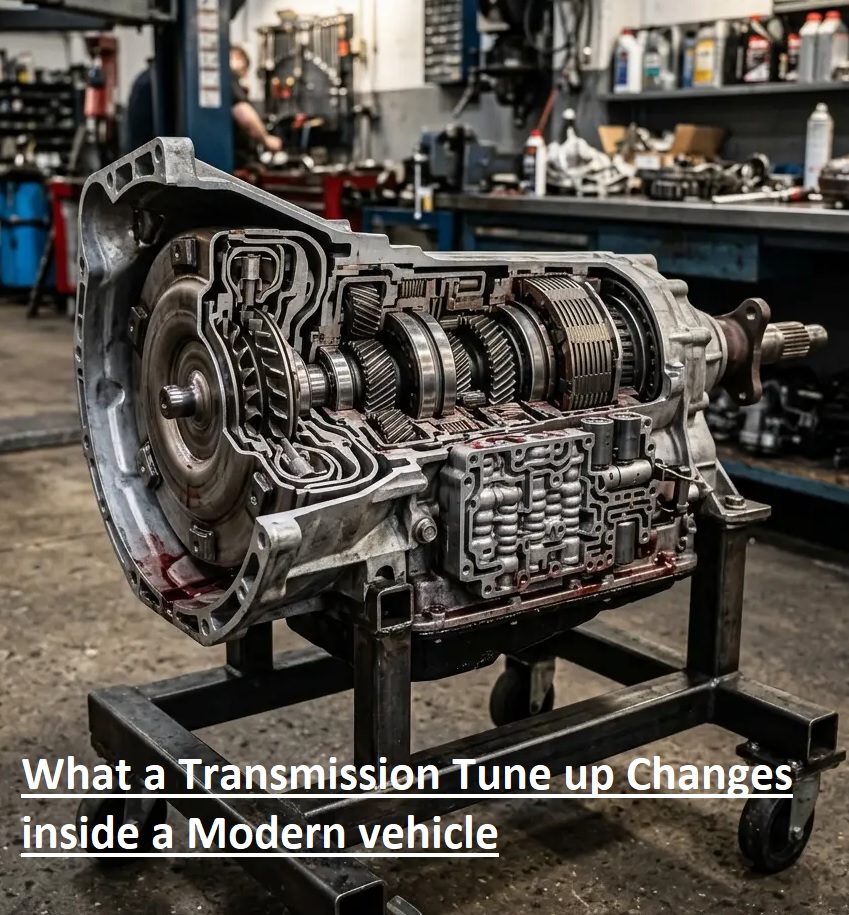
The engineering behind shift timing
Shift timing is an important component of transmission features. The control unit looks at vehicle speed, engine load, throttle position, temperature, gear position, and driving mode before choosing the next gear. Small changes in these maps can make the vehicle feel very different.
such as a diesel engine with high low-end torque does not need to hold gears as long as a high-revving gasoline engine.
If the transmission is waiting long to upshift, the driver faces unnecessary noise and fuel use. If it upshifts at early under load, the engine may lug, and the vehicle may feel heavy.
A good transmission calibration considers:
- engine torque curve
- vehicle weight
- tire size
- towing or hauling use
- normal driving speed
- throttle response
- transmission temperature
- engine software changes
Torque converter lockup and heat control
•The torque converter is a highly misunderstood component of automatic transmission. It helps to provide smooth power shifts at low speed, but slip in the converter also produces heat.
Lockup minimizes slip, making a direct connection between the engine and transmission.
Earlier or high-stable torque converter lockup helps the vehicle feel direct in certain conditions. It also reduces unnecessary heat when the calibration is correct.
This matters since heat is one of the main dangers of automatic transmission wear. Hot fluid breaks down faster, and worn fluid does not protect internal components as well.
That does not mean lockup should occur everywhere. If the converter locks early at the wrong speed or load, the vehicle can vibrate, lug, or feel rough. The calibration matches the engine’s functioning range and the driver’s use case.
| Transmission area | What tuning may adjust | Driver notice |
| Shift schedule | gears change | Good response and less gear hunting |
| Line pressure | Clutch holding force | Firmer, cleaner shifts |
| Torque converter | Lockup timing and behavior | Direct feel and less slip |
| Torque limits | engine torque | Best match with engine tuning |
| Downshift logic | Gear choice under load | Stronger passing and towing response |
Tune first or service first?
Transmission tune is not a repair for mechanical damage. If the transmission slips high, bangs into gears, has contaminated fluids, or shows metallic dust or serious fault codes, software variations are not the first solution. So proper inspection is needed.
Before tuning, the main process includes fluid condition, leak checks, diagnostic scanning, adaptation values where they exist, test driving, and a review of the vehicle’s current engine setup.
The objective is to understand whether the transmission is good enough to benefit from calibration.
A practical sequence is that
- Scan for transmission and engine fault codes.
- Inspect fluid level and condition if the design allows it.
- Inspect for leaks, worn mounts, or overheating signs.
- Ensure the engine is tuned to stock power levels.
- Road test for shift quality, flare, slip, and gear hunting.
- Apply transmission calibration when the baseline is sound.
- Test again under normal driving and load conditions.
Why engine tuning often exposes transmission limits
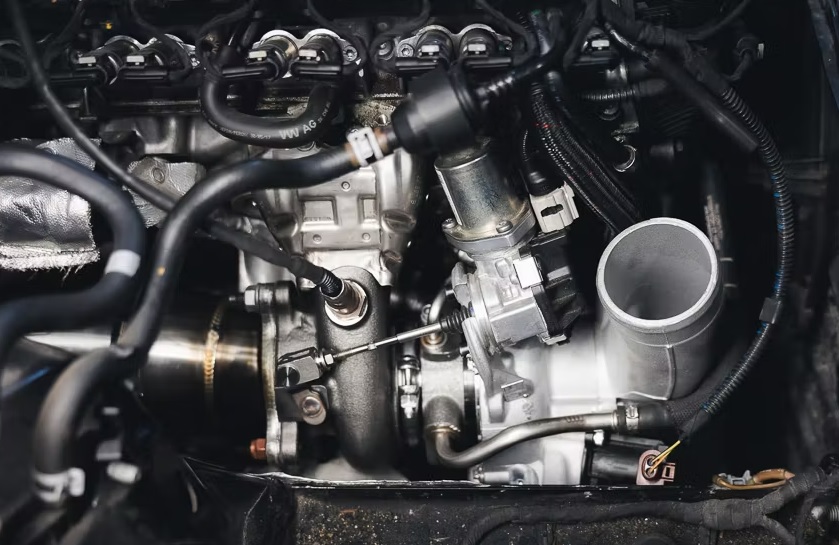
Different drivers tune the engine first due to high power that is easy to observe. The transmission can manage changes at first, which start indicating weak points when torque increases.
Shifts can become slower, the converter can slip more often, or the gearbox can hunt between gears under load.
That does not show transmission reduction. That can show calibration made around factory torque and not more fitted new setup.
The transmission control logic can still be managing torque as if the engine were stock, which can make a mismatch between available power and gear working
What drivers should expect from a good result?
Proper transmission calibration looks natural; vehicles don’t become difficult in traffic or harsh for normal driving. Differences need to be shown when the driver asks for further, cleaner gear changes, variations of low hesitation, fewer unnecessary shifts, a stronger response under load, and good coordination with the engine.
The driver must note that calibration is a system part. Tires, mounts, fluid condition, engine software, cooling, and vehicle weight affect how the transmission feels. The best outcomes come when tuning follows diagnosis and when the calibration is fulfilling the vehicle’s real workload.
Transmission software has turned the gearbox into an active component of the vehicle’s operation. Handling it that way helps drivers prevent the gap between engine power and drivetrain features.
When the transmission is healthy, properly serviced, and calibrated for the job, the whole vehicle feels controlled, highly responsive, and well prepared for daily driving or heavier use.