The mechanical engineering sector has been facing high pressure for the last few years; that is the main correct source now. The supply chain is losing its stability, as it was; projects are delayed, and costs are increasing. With that, all things are expected to move fast.
Different manufacturers are facing practical issues. The facility needed expansion, but there is not required space. New machines required integration without manufacturing coming to a standstill for many weeks. It is accurate in conditions such as importance and flexible points, becoming clear.
Modular Techniques as the Key to Flexibility
Theoretically, it looks like a logical system needed to be adaptable. Practically, it is difficult. Conventional construction techniques work as well as possible and are not constantly varied.
But other methods are common; structures are made so they can be remolded. A common example is modular aircraft hangar.
Larger structures are not built from scratch but made piece by piece.
The main rule behind it is that it can be applied to different locations. Manufacturing facilities are not made forever but conceived as systems that evolve.
Companies like Spantech operate accurately in the field and focus over the main structure that is erected fastly. Practically, that means if more space is required, an extension is used. When less is required, it is dismantled to look simple, showing a certain departure from the past.
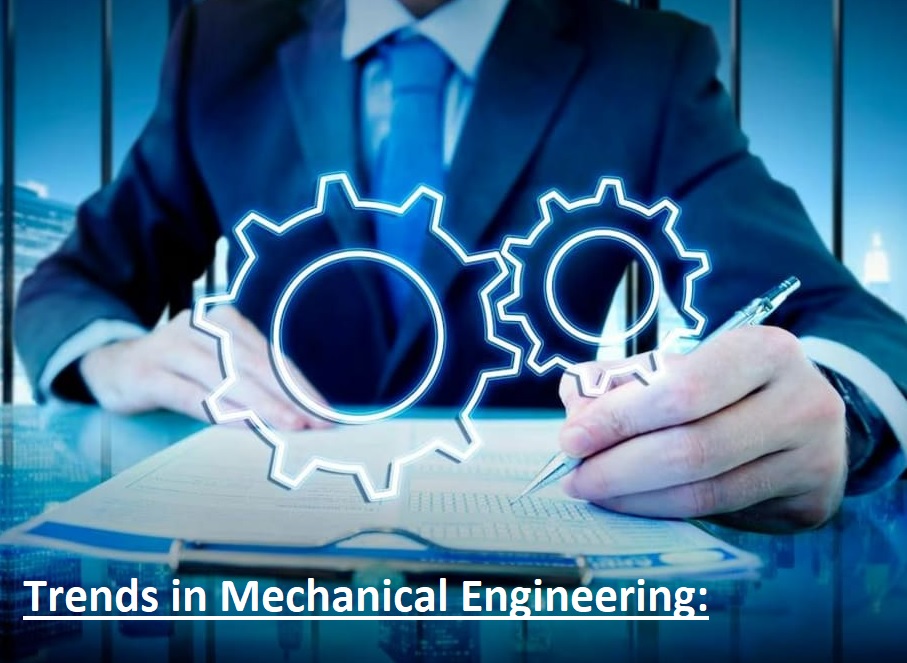
Efficiency Through Standardization and Prefabrication
Prefabrication plays a key role here. different factors are not made directly on-site but are prepared in advance and then assembled. That saves time but also minimizes errors that frequently arise. less on-site improvisation, lower coordination, fewer surprises
There is no minor matter for day-to-day functions. No one can halt manufacturing for long, as construction is underway.
If expansion follows in parallel, it causes the main benefit. Costs are easy to plan, not completely, but less stable compared to conventional construction projects, where different details are clear as work progresses.
Technological Developments as Drivers
Another factor that is not clear is the planning process. In the past, decisions were made based on drawings… now, different processes are applied digitally.
3D modelers’ standard simulations also work well, so potential errors can be found at the start. Practically, that shows that the new system is connected virtually before anything occurs. When it is clear that everything is fine, the project is applied.
So, like, a small step but causes differences. Errors are found not on the construction site but at the start.
Concrete Benefits in Day-to-Day Operations
Finally, for different businesses, it is not related to grand concepts but basic questions. How fast we responded, how flexible we are. With a change of order, setting needed to be made fast. new machines, different processes, extra space. In earlier times, it was the main undertaking. Now, different faults can be solved quickly.
Maintenance is also a fault. that single components are easy to access, which saves time. With that time normally in short supply for manufacturing
So not all things work on a modular basis. There are still points where customs results are needed, but the trend is clear.
Some Latest Trends in Mechanical Engineering
Additive manufacturing
Flexibility is a required manufacturing ability of additive manufacturing, or 3D printing, created with additive manufacturing, to control supply chain faults at first pandemic duration.
Global trends, using sustainable materials, are also important. Using recyclable polymers and high use of technical ceramic manufacturing also advanced metallic printing techniques, shifting additive manufacturing applications for aerospace and medical sectors.
Through the global market, Am-business will reach fifty billion dollars by 2030. Mechanical engineers will get advantages from enhancing design for additive manufacturing skills for any phase of their careers, also for industries not using AM.
CAD/CAM applications
- Computer-aided design is not a new technology, but it has been applied rapidly. CAD software helps engineers to do virtual stress testing, perform simulations for performance, and make electronic design automation.
- With CAD used with additive manufacturing, digital twinning, and generative design due to cloud technology, engineers perform operations anywhere.
- Different disciplines are working on making a single CAD or CAM standard that is used for high-level data transfer between different programs and platforms. If this objective is fulfilled, mechanical engineers get more learning and follow new rules.
Digital twins
Digital twins are helpful for mechanical engineers to perform product testing and control devices from different manufacturers. It also gives chances to make and test complicated digital twin designs across different industries. through main cloud providers providing expanded digital twin features, that is, digital twin techniques shifting from add-on IaaS tools to native PaaS systems
Automation
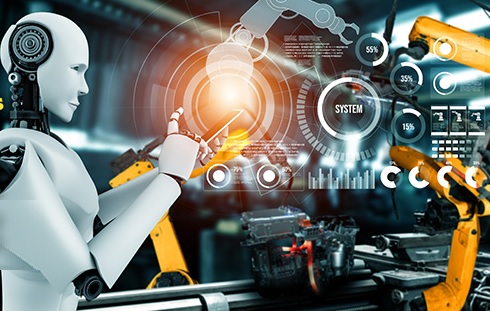
The difference between old and new techniques is higher than that of older ones, causing upgrading legacy tools and systems to become complex.
It is not needed to get 2nd degrees for software engineering, with updated programming skills and solid knowledge of math, which is important for making connections between older and newer
With that, different components used for these systems are made by mechanical engineers. With strong skills in materials robotics with features for working with electrical and software engineers, there is a need for engineers to be more cross-functional.
Green engineering
With a changing climate and resource depletion, continue taking plant features since different older mechanical engineering experts face high scrutiny. To move ahead, engineering should follow engineering techniques. based on green engineering solution commercializations using different processes causing less pollution, sustainability, and control chances for human health, with environmental factors affecting efficiency.”
Mechanical Engineering’s future with AI
Moving ahead, integrating AI and mechanical engineering is growing fast. AI will quickly get benefits from complicated problem-solving operations like optimizing supply chains towards developing self-healing material. Engineers work in conditions where human expertise and machine development work with each other, causing high-speed cycle development and highly resilient systems.
Companies that follow early become high-ranking for capitalizing on advancements. Through a growing culture of continuous growth and participation in mechanical engineering training courses, businesses help working environments be at the forefront of technological growth.
Conclusion
Mechanical engineering collaboration with different fields, especially AI, is shifting design, manufacturing, and maintenance techniques. like predictive maintenance and generative designing with digital twins and sustainable engineering AI, helping engineers to get high efficiency and accuracy
for organizations and professionals, helping to become advanced, properly informed, and adaptable to important. Working on different mechanical engineering-based courses can offer details and skills needed for managing new ideas properly. Since AI technology is continuously growing in importance for mechanical engineering, enhancing industry growth