The oil pressure sensor’s other name is the oil pressure sending device or oil pressure switch, which measures engine oil pressure, an important part of the vehicle engine management system. The engine should function according to a safe oil pressure range that is important for providing lubrication and managing damage.
In this tutorial, we will cover details about oil pressure sensors and the symptoms of a bad oil pressure sensor. So let’s get started.
What is the Oil Pressure Sensor?
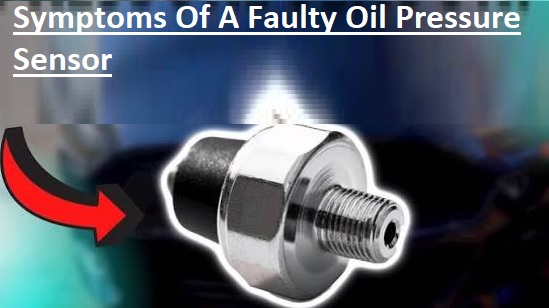
- An oil pressure switch or sensor is the main part of the lubrication system of the engine. It exists close to the oil filter or oil pump that monitors the pressure of oil in the oil circulation system of the engine and controls the oil pressure indicator on the vehicle instrument panel.
- Its feature saves engine damage since faulty oil pressure causes improper lubrication, which causes friction and damage to different engine parts.
- The oil pressure switch comes with a pressure-sensitive diaphragm that operates an electrical connection through condition variations.
- These conditions occur when the oil pressure is less than the defined threshold and crosses a certain limit.
- In those conditions, the switch transmits a signal towards the engine control module or towards the oil pressure warning light over the dashboard and indicates faults.
- If the oil pressure sensor does not work, it causes a faulty warning. that causes engine damage as a result of a longer time functioning without proper lubrication.
- Proper maintenance and proper replacement of the faulty oil pressure switch are important for the accurate working of the engine.
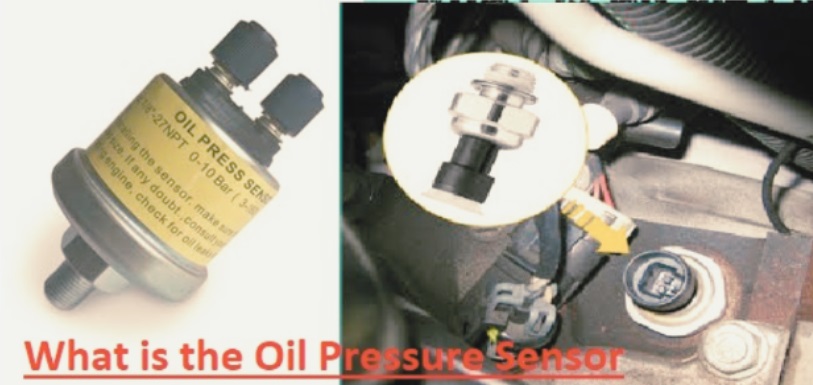
Oil Pressure Sensor working in the car
The oil pressure sensor’s main job is to control the oil pressure of the car engine and transmit data to the ECU, where we can check fluid pumped into the system
If oil is pumped properly, it offers accurate lubrication, reduces friction, and also dissipates heat.
According to the pressure level, the ECU sends data for the warning light of dashboard that helps the driver to know the measurement in a timely.
In other words, oil pressure sensors perform two functions.
- It checks if the engine is getting the required oil pressure to perform lubrication.
- It works like a safety feature by giving a warning to the driver when oil pressure is less than a defined threshold.
Symptoms of faulty Oil Pressure
This sensor affects car starting and acceleration, and needs to work accurately. but it sometimes faces faults and networks, so some symbols of faulty oil pressure sensors are
Oil Leakage
- oil pressure sensor is fitted in car oil system for measuring oil pressure. But sometimes not fitting properly is a result of an oil leak. It is a commonly seen fault, and we can see the oil pressure sensor leaking over the central body.
Incorrect measurement
- If there is a fault with the sensor or the connection of the sensor and gauge, the resulting oil pressure values are zero for normal oil levels.
- But for the latest vehicles, the sensor shows oil pressure is electronic and delivers data through electronic impulses.
- The vehicle display shows different values like full or empty oil level. When detecting that issue, replace the sensor.
The sensor light gets on.
- The common oil pressure warning light gets on over the dashboard. That light like an oil drop. When warning lights are on but the engine oil is at a standard level, it means the sensor is faulty.
- If the sensor is faulty, provide a faulty reading. For conditions, it shows oil pressure less than the required value.
FAULTY oil pressure gauge
- • The ADVANCED car comes with an oil pressure gauge over the dashboard to provide oil pressure data. When we detect the gauge showing a low pressure level or a different reading, that means the oil pressure sensor has a fault.
- that affect the system’s working and minimise accuracy. This is a common sign that the sensor is faulty.
- If the oil pressure gauge is working well, it will show stable pressure for normal values. Changes in value for normal reading mean a fault occurs.
“Check engine” light
- • The engine control unit comes with an oil pressure sensor among others for accurate engine operation. When the ECU detects any fault with the sensor, it turns on check engine to indicate the fault.
- If the oil pressure sensor is faulty, it sends a faulty signal to the ECU. So ECU works for defining that fault through engine oil pressure, and the lights get turned on.
How to know if an oil pressure sensor is faulty?
Different signs show the soil pressure sensor is faulty; some are
- Oil pressure warning lights come on; that means the pressure is low.
- Gauges provide faulty readings, like indicating high pressure for an idling engine or showing low pressure for an engine at high speed.
- faulty engine, also on-engine warning light.
How much does a pressure sensor replacement cost?
cost of a new sensor based on the manufacturer and car model. Normally it is a low-cost part, about 10 dollars. Finding this component in the market, check your vehicle supporting it and having the required quality.
The sensor needed to have reliable oil pressure readings. Check features for fulfilling accuracy levels. Buy a quality sensor or pay a high amount.
Identify a faulty oil pressure sensor. When facing any fault related to the oil pressure sensor, find that fault. Here are some points to explain for finding faults.
- First of all, perform visual sensor inspection and check signs like oil leakage, corrosion, or loose connections.
- If the oil pressure warning light is not working well, that means the sensor is faulty. Check the warning light with the ignition on and find the sound-producing device.
- When the warning light is working, we find a fault with the sensor testing tool for measuring the signal. Make a comparison of these values with the manufacturer’s manual to find the sensor is not working well.
- Check wiring and connection of the oil pressure switch are proper and do not have damage. Loose connections or wiring cause faulty readings.
- If all the above points show faults with the oil pressure sensor, best to check with a testing device like a mechanical oil pressure gauge. that gives an accurate result of oil pressure and helps to find a faulty switch
How to Replace A faulty Engine Oil Pressure Sensor?
Replacement of the oil pressure sensor is the best technique, and the steps are mentioned here.
Necessary tools
- FIRST of all, arrange the required tools for replacing the faulty engine oil pressure, such as a soft towel, glue, and a set of wrenches.
Sensor location
- According to vehicle design engine structure, low-pressure sensor locations can be different. Normally, the sensor is connected close to the cylinder head of the engine block. For that purpose, read the manual for finding the sensor position.
Disconnect the car battery.
- To prevent an electrical fault, disconnect the negative pin of the vehicle battery. For this purpose, remove the connector from the oil pressure sensor. For this purpose, click the lock tab to separate it.
oil pressure sensor separation
- Use a wrench or socket to disconnect the oil pressure sensor to check the main cause for damage. oil pressure switch for pressurized oil. During this process, the worker performs repairs with accurate precautions.
Connect the new sensor.
- In this step, connect the new sensor at the required position and strongly tighten it. Connect the connector through wrench tightening. Make a connection of a new sensor for a strong connection.
FAQs
What happens when an oil pressure sensor becomes faulty?
- • A faulty oil pressure sensor showing faults means the low oil pressure light comes on. The oil pressure light also shows an on-off flash when the sensor is faulty.
Which oil pressure sensor is working?
- • The oil pressure sensor’s main job is to record engine oil pressure and send data to the gauge connected with the instrument panel.
- Most vehicle electronic control modules exist where pressure sensors are connected.
Is it possible to drive with a bad oil pressure sensor?
- It’s not best for driving through faulty oil pressure, either vehicle operating without it. oil pressure sensor, another name is oil pressure switch, so confirm the vehicle has accurate sensor. it is not possible to find oil accutare oil level withoutaccurate working sensor
Does the car not start if the oil pressure sensor is not working?
- Proper lubrication based on accurate working engine oil flow, damaged sensor results, and ECU failure for safe mode. The computer can stop the engine from starting when the pressure is low.
What regulate the oil pressure sensor?
- • The engine oil circuit comes with an oil pressure sensor that regulates the oil pressure indicator and operates the warning light and performs monitoring of oil pressure.
- Usually, in off conditions, the warning light for low oil pressure comes on when the ignition is on
Why is my oil light on even when my oil is full?The
- oil light on the dashboard does not remain low, or oil contamination or leakage occurs. If these parameters are correct, there is a faulty oil pressure sensor. There is enough oil in the engine, meaning the oil is in good condition and not due for an oil filter change.
What is the main reason for low oil pressure?The
- main reason for engine oil pressure: oil level less than the minimum dipstick line. Due to high usage, an oil leak makes the car engine’s oil level low. The oil pump does not have the required pressure when the oil level is low.
What are the signs of low oil pressure?
- Improper oil pumping: the warning light sensor becomes an oil warning light on the dashboard when oil pressure is less than the required level.
- burning oil smell, engine rumbling,
- engine low level