In photonic systems, beam quality can affect measurement accuracy and optical-link performance. Choosing a laser source is not just a matter of output power. Emission mode, wavelength, spectral characteristics and packaging all influence how well a component fits the final system.
For engineers developing optical instruments, telecom equipment or research setups, single mode lasers provide a controlled beam that can be collimated efficiently. Their single transverse mode supports diffraction-limited output, making them useful where beam quality and precise alignment matter. The right configuration depends on the application and operating conditions.
Where Single Mode Lasers Are Used
These semiconductor sources serve applications that require controlled light delivery. In telecommunications, they support optical transmission systems. In spectroscopy and metrology, their characteristics help enable precise measurements. Medical technology, industrial sensing, navigation and quantum research also use laser sources selected for specific requirements.
Not every project needs the same wavelength, output power or spectral profile. Engineers should assess operating parameters together. Continuous-wave and pulsed operation, for example, serve different purposes.
Matching the Laser to the System
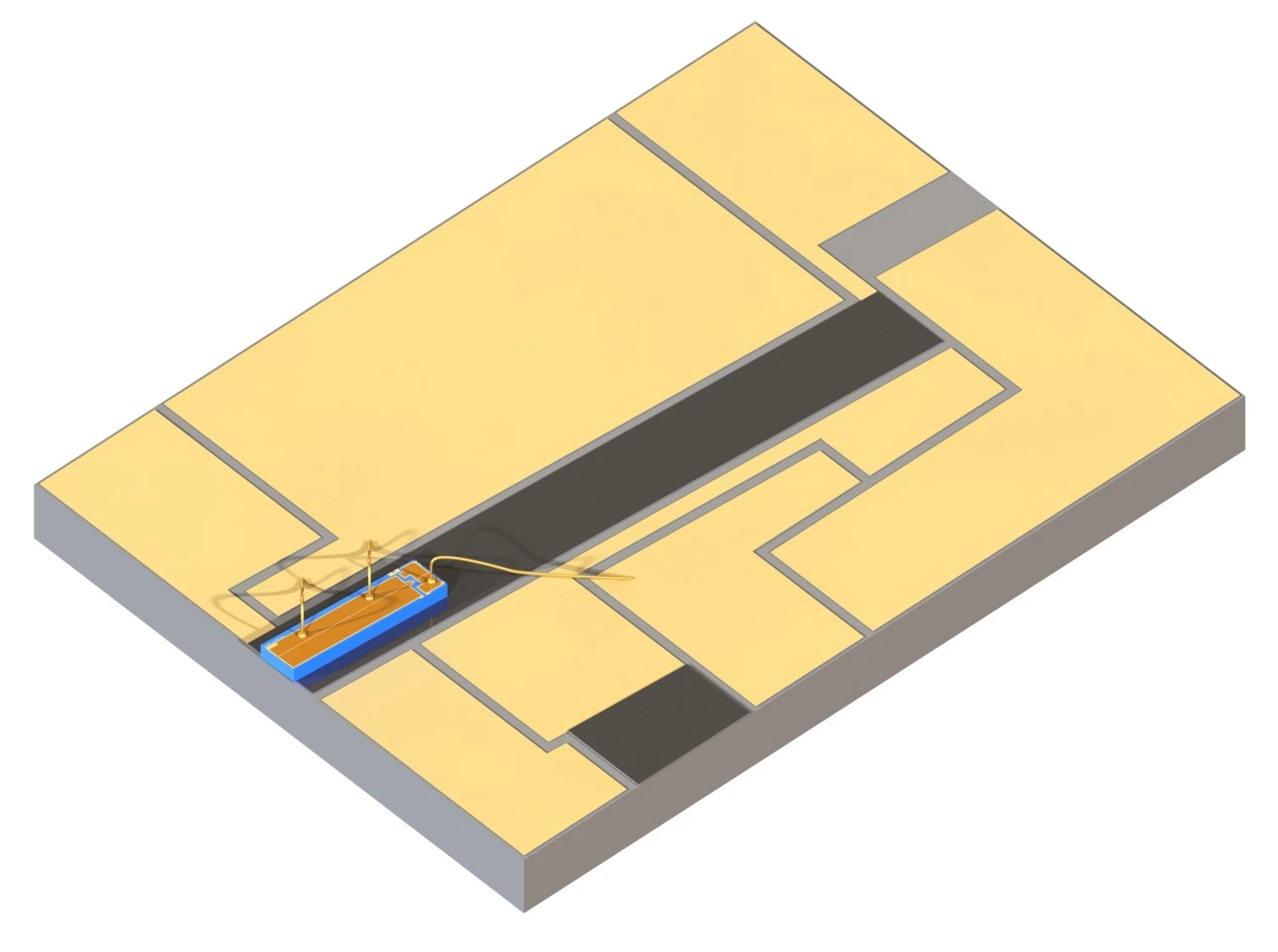
A laser diode works as part of a larger optical design. Wavelength affects how the source interacts with other components; output power determines the available optical signal; packaging influences mounting and integration. Fiber-coupled designs can simplify beam delivery, while free-space output offers flexibility in directing the beam.
Before selecting a device, teams should define the required wavelength, power range, operating mode, spectral characteristics and mechanical format.
Standard Products and Custom Configurations
Standard semiconductor laser diodes meet many application requirements, but some photonic systems need specific configurations. Innolume GmbH develops semiconductor laser diodes customized to customer requirements, with options for wavelength selection and flexible packaging. Depending on the product family, its portfolio covers wavelengths from 780 to 1350 nm.
Innolume combines in-house R&D with full-cycle manufacturing. Its expertise in Quantum Dot technology supports its semiconductor laser development. The company’s specialists help engineers identify suitable configurations based on application and technical requirements.
Selecting a laser diode involves evaluating operating conditions, optical output characteristics and integration requirements. Package design, thermal management and system compatibility also influence component selection. Assessing these parameters early helps determine whether a standard product meets project requirements or a customized configuration is needed.
With expertise in semiconductor lasers, flexible packaging and application-specific customization, Innolume supports diverse photonic applications. Its approach enables component specifications to align with system requirements and design objectives.
Explore Innolume’s single-mode laser diode portfolio or contact its specialists to discuss application and customization requirements.