As we know, college admission competition is high; high schools come with high pressure for students’ guidance to get scholarships. Scholarships are the best source for managing financial burden for higher education and provide a chance to study at quality institutions.
But some students missed chances since they did not have proper guidance and instruction. Counseling services are important for helping students navigate the complicated structure of scholarship applications. In this tutorial, we will cover details about focusing on scholarships’ effectiveness, different techniques for counselling programs, and the impact of personal guidance on student confidence and their role for collaborations with stakeholders.
Importance of Counseling in Scholarship Readiness
Counselors are an important factor for helping students during the complete scholarship process. It is helpful for students to get details of high school scholarships process, such as finding the best opportunities for completing the Federal Application for Federal Student Aid (FAFSA).
Effective counseling helps students fulfill academic merit criteria and understand the Cost of Attendance (COA) at potential colleges.
By giving detailed requirements analysis, counselors help students get scholarships according to their profile and secure chances of getting scholarships
With that, the counselor helps demystify the scholarship award letter, giving details for the Institutional Scholarship Fund and Disbursement Schedule.
These instructions are important for students as these details affect financial plans for colleges. Counselors are important for preparing students for fulfilling financial and academic requirements.

What is the main counselor’s role?
The main benefit of the counselor role is accountability. Since professional school counselors help to analyze data in an effective way and set a process for increasing students’ value. So, the counselor’s role is based on different factors that are working in schools. some are
Managing Challenges of Bullying in Schools
The main factor for current changes for the school counselor role is to work with new forms of bullying, like cyberbullying, that impact mental health.
Younger-age students using communications and socialize, and in this process, they face risk for bullying that causes difficulties for students and their mental health for counselors.
So, school counselors should work on getting an idea of new social problems that occur between students and offer counseling sessions for mental health problems.
Social Development and Emotional Well-being
In past years, the standard of school counseling services has been working on focusing on social-emotional support. That change shows deep details of students’ emotional and social development, which is important for academic performance.
A guidance counselor gives instruction about social skills and gives mental health counseling and interventions for behavior. that offer their school setting a safe place to learn
Enhancing Academic Performance and Equity
School counselors are important for academic success, especially for different communities. According to research, accurate counseling programs work for student achievement, like schools working in high-poverty locations.
Professional schools counsel to provide guidance for careers and proper mental and emotional support that helps students to manage personal and systemic limitations affecting academic achievement.
Data-based Advocacy
Proper guidance counselors follow data-based methods for advocacy. School psychologists analyze parameters that work on students’ success, like family-related parameters and socioeconomic and learning differences.
through showing that data counselors introduce proper planning and interventions that cause high affect on students’ personal and academic lives as well
Accessibility and student demands
There is a need for easy access to school counseling to give guidance for students at certain points when they need it. Professional counselors need to get a master’s degree or a school psychology doctorate, have high middle elementary school working experience, and help students that are facing difficult times or mental illness, or need support.
Guidance of counselors affects students’ lives through enhancing family and school outlook and giving other required detailed information
Irrespective of the defined importance of counseling in schools, different institutions are facing faults for offering detailed school counseling services.
These limitations occur from short funding support, fewer staff, and structural parameters. That resource shortage shows not all students come with easy support according to their requirements.
Giving high importance to counseling in schools causes policy variations and resources assigned for that need.
What are the main factors for quality counseling in schools?
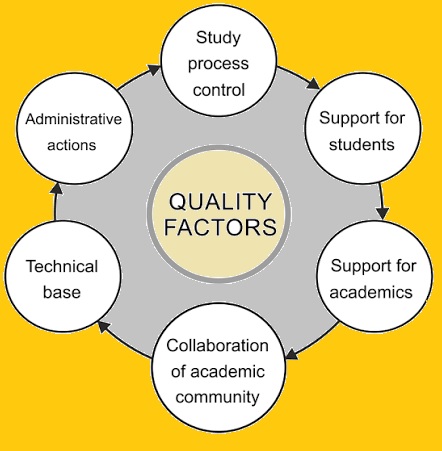
The main advantage of school counseling from properly trained and effective school counselors is that it’s best for preparing students for career, academic, and social limitations for academic success based on development for future life.
Students learned from the counselor’s effect on professional growth, and they learned
How to manage mental health issues and motivation for students for learning and an introduction to the world for finding out about their design with lives
Encourage students to share these details, share with parents, and also be a sympathetic ear for the same students for getting features for managing counseling sessions
School counselors also do
Read also The Role Of Independent Bookstores In Preserving Literary Culture
Give teacher support with working as the main component of the team that solves educational objectives and student requirements
It makes a plan for classrooms and arranges group activities that fulfill students’ requirements.
The counselor also arranges and shares resources with teachers for staff to develop skills in teaching effectiveness and managing class. They also have features for checking students in classrooms and offer teachers assistance with their guidance rules.
With mental health and counseling services for students, counselors work as the main element of school administrations. Starting counseling programs that offer a detailed school counseling program and sessions are growing and help to make students succeed.
Counselors develop systems for programs and help the administration get services from counselors for student learning and development. They also offer data from school counseling programs to grant application processes.
Good school counselors are also helpful for smooth school operations and effective functioning by enhancing the education system.
Counselors, Teachers, and Parents’ Collaboration for Scholarship Success
Proper cooperation between teachers, parents, and counselors is important for increasing student scholarship chances. The teacher offers details about students’ study performance and extracurricular activities for fulfilling scholarship stewardship criteria.
Proper communication with stakeholders helps to get a proper support system for students.
Parents are also a main factor in the application process of scholarships; by working with counselors,, parents can easily get compliance according to financial help and relevant features.
That cooperation is helpful for students to get regular support and encouragement for a high chance for securing scholarships.
Conclusion
Counseling is an important factor for students’ preparation to perform the scholarship process smoothly. Through effective counseling programs,, priority high schools increase scholarship ease, develop student confidence, and foster collaboration for stakeholders. The proper method of supporting students for financial assistance also defines a path to professional success.