Commercial and military aviation employees worked in different worlds. One main objective is profit and passenger comfort. second work on stealth and readiness. Their instruments overlapped very little. That line is blurring fast.
These two sectors face the same pressures and need high efficiency and safety features. Their requirements system is adapting fast. Technology driving that change is the use of advanced avionics. These electronic systems are transforming how both sides operate. Let us examine these details.
What Are Avionics Systems?
The avionics system comes with electronic components that help aircraft communicate with the ground and to take flight safely and effectively. These systems work in collaboration to control flight navigation, communication systems, and other features.
It helps pilots to make proper communications and automation required for flying advanced aircraft with accuracy.
A Company Leading the Charge
Different firms are shifting their range as far as possible. One important example is Acron Avionics.
Their skills are flight recorders, cockpit displays, and surveillance systems. They work for commercial airlines and military programs equally.
Those dual functions provide special features that help work in high-utilization passenger jets.
Their understanding also includes the rigors of a combat environment. Those instructions offer insight into good products and processes. That is basically important for the whole industry.
Shared Needs, Smart Solutions
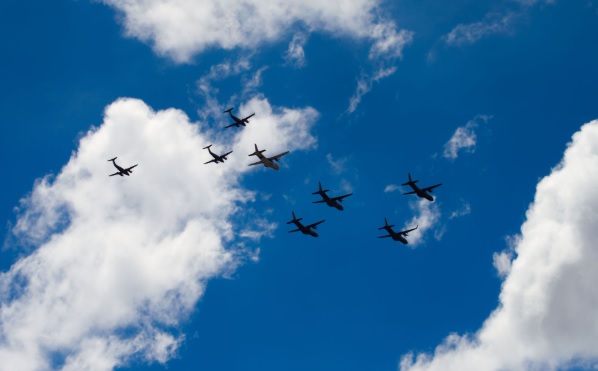
A commercial pilot needed to save from storms and use less fuel. Military pilots needed to manage threats and finish missions timely. Both required clear conditional awareness. Both needed proper communication protocol.
Both advantages from automation minimize working load. So technology is basically the same.
A synthetic vision system helps the 737 land in fog. The same system helps an F-16 navigate through mountains at night.
Software and sensors are almost the same. Just labels and some features vary between versions.
Connectivity Revolution
According to connection changes of all features on both sides, commercial airlines work with real-time data for optimizing routes.
They were used for weather and traffic constantly. Military operators work with the same links for coordination.
Fighters can get targeting updates from drones that are at a distance. A transport pilot can get last-minute mission changes.
That connection makes operations easy, reduces errors, and enhances decision-making. Both sectors are working for these features. In simple words, the sky is the main giant network.
Saving Fuel, Saving Lives
Fuel efficiency is an important factor; commercial airlines spend billions on jet fuel. Military operations face similar charges.
New avionics help both sides burn short. These measure effective speed and altitude. They factor in wind and weight dynamically.
Military transport carrying troops reduces extra tax. Commercial airlines reduce shareholder money.
With that, environmental advantages are also high; less fuel shows low emissions. That is best for the planet and the bottom line.
Maintenance Gets Smarter
Both sectors do not like abrupt breakdowns; grounded airlines lose revenue. A grounded military jet does not take part in a mission.
Maintenance solves these faults properly. Sensors monitor all component conditions.
system flags components that are getting damaged. Maintenance occurs before failure occurs.
These techniques work well for commercial avionics and military gear equally. The savings are important over time.
Dispatch reliability goes through the roof. Both sectors are following these plans fast.
Next Generation
Pilots must have skills for these advanced systems; commercial training works on passenger safety and high efficiency.
Military training adds combat tactics and threat evasion. The underlying avionics are the same in many ways. Simulators replicate both environments accurately.
Pilot shifts between sectors are easy; a retired fighter pilot becomes a good airline captain. A seasoned airline captain added discipline to military transport. The skills are more transferable than ever before. This flexibility advantages the complete workforce.
Following Different Standards
Commercial avionics should fulfill FAA and EASA standards. Military gear must survive harsh conditions and jamming operations.
hardware different in ruggedness and security features. But basic rules are the same.
Reliability, accuracy, and ease of use are important to everyone.
Manufacturers make products that fulfill both requirements: military-grade durability and commercial-grade usability.
This flexibility is growing rapidly. It reduces costs and simplifies logistics across the board.
Avionics Importance in Modern Aircraft
High-speed innovations for avionics technology are growing and making connections with advanced flight decks. Modern systems are using automation, digital data, and touchscreen displays for simple pilot operations and improving operational efficiency.
Older aircraft are based on analog instruments and manual control; advanced aviation electronics feature an integrated system that handles flight direction, regularly monitors performance, and communicates with ground operations in real-time.
Different technologies like real-time diagnostics and IoT-enabled sensors help aircraft detect faults at start, optimize operation, and make systems safe through proper maintenance. such as barcode services in aviation tracking, configure barcode data with automatically updated maintenance logs, and give indications of component replacement details.
Now, avionics systems make highly connected, data-operating flight systems that provide high accuracy and reliable systems with minimized pilot workload.
Future Factor
The space between commercial and military aviation is becoming short. Shared technology systems make sense economically. They enhance interoperability between sectors. A commercial tanker can refuel a military fighter using data links. A military surveillance plane can indicate civilian airliners to threats.
This connection enhances safety and security for everyone involved. It shows a smarter method forward for the whole industry. The future of aviation is unified and connected. Advanced avionics are leading this exciting transformation. The journey is just beginning.