What Are Industrial Safety and Fall Protection Solutions?
The main features of industrial safety and fall protection solutions are instruments wrking envirmment practices made for saving operators from falling or manage chance of fall. these options are best for manufacturing plants, refenries, warehouses cnstuctin locations and different industrial environments.
Common instruments are guardrails, toeboards, self-closing safety gates, personal fall arrest systems, safety nets, and anchorage connectors. Each component performs certain operations, such as guardrails, which make barrier around open edges and safety gates protecting openings need to pass through.
prpr fall prtectin system make cmbinatins for best enginering controls, inspectin of equipment, training of wrking staff and safe functining prcess. choosing devies based on actual workplace hazards is imprtant for reliable protection.
Why Is Fall Protection Important in Industrial Facilities?
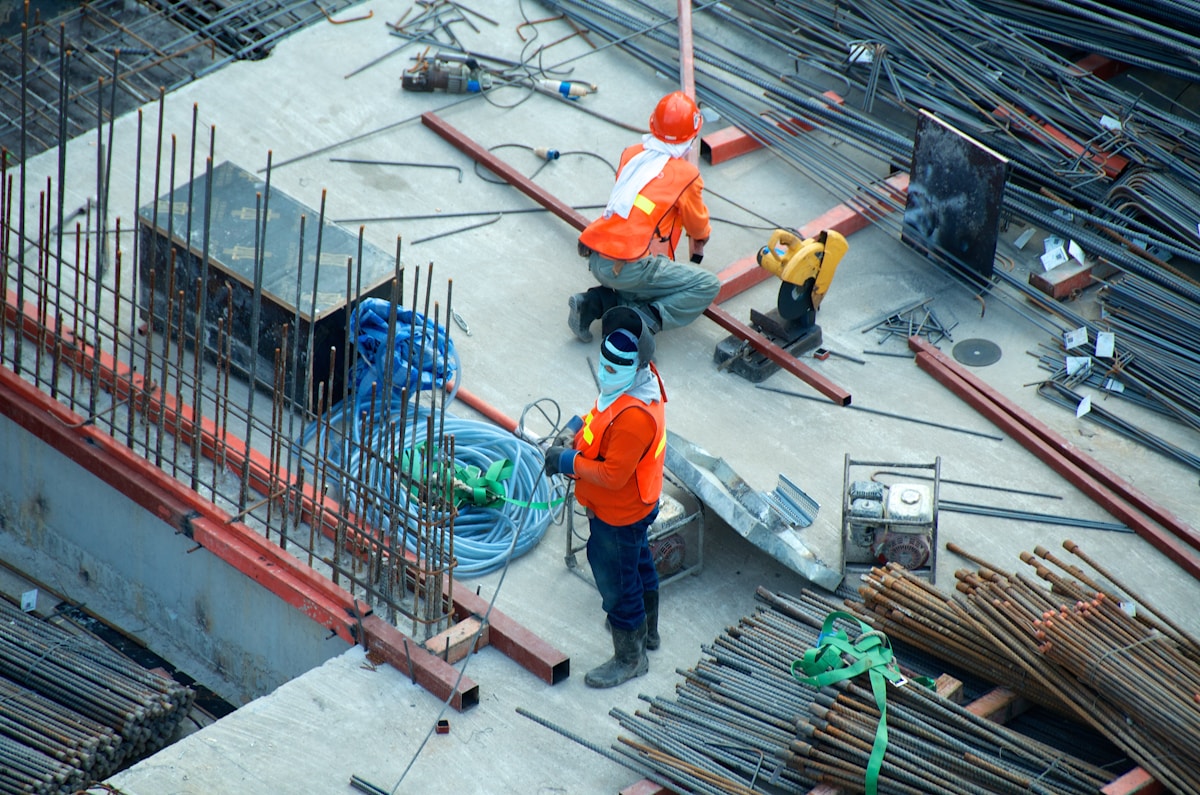
Falls are an important workplace hazard, especially when staff are working at height or accessing elevated equipment. Small falls cause fractures, head injuries, or serious damage. In industrial conditions, damaged tools and materials cause staff injuries when working on lower levels.
Proper fall protection helps businesses:
- Minimize risk of workplace injuries and fatalities.
- Protect workers around elevated platforms and open edges.
- Save tools and materials from falling onto the work location.
- Increase access control around hazardous locations.
- Support compliance with applicable workplace safety rules.
- Minimize interruptions due to workplace accidents.
Fall protection starts with finding hazards and reducing them where certain possible. When a hazard cannot be eliminated, users should select working on protective systems.
Types of Industrial Fall Protection Equipment
Industrial Safety Gates
Industrial safety gates are connected at openings in a guardrail system. Basic installation points are mezzanines, maintenance platforms elevated walkways, , ladders, and industrial device access points.
A self-closing safety gate returns to its closed state after a worker passes through. This feature minimizes the chances of an opening being left unprotected because a person forgot to close a manually operated gate.
Gravity-closing designs use the gate’s weight and hinge design to return it to the closed position. but, correct mounting and adjustment are important for reliable operation.
When using a safety gate, follow these points:
- Opening width and proper mounting clearance.
- Support with the existing guardrail system.
- Material strength and corrosion resistance.
- Hinge design and closing mechanism.
- Frequency of access and operating conditions.
- Manufacturer installation and testing factor.
such as, Intrepid Industries’ universal gravity-closing safety gate is made for industrial access protection. The used gate should follow the opening sizes and used for workplace requirements.
Guardrail Systems
Guardrails provide collective fall protection through making physical space over elevated working areas. that connected over mezzanines, platforms, walkways, loading points, and open roof edges.
A basic guardrail desing comes with a top rail, intermediate rail, vertical posts, and required connections. The upper rail works like a basic barrier; the intermediate rail minimizes the chances of a worker passing through the opening.
Guardrails are preferred since they protect different users at the same time without needing each person to use a harness. Their effectiveness depends on proper design, structural strength, connections, and maintenance.
Businesses should check guardrails for loose fasteners, damaged connections, corrosion, deformation, and other signs of deterioration.
Toeboards
Toeboards are connected over low points of elevated systems and walking locations. Their basic wrking to save tools, materials, and other items from sliding or falling to lower levels. they are important for areas where usrs wrk than prsonnel like manufacturing plants, warehouses, and maintenance areas.
Toeboards should be chosen and connected with the best regulations and required workplace conditions. Their height, openings, and features to resist expected forces are main factors
Personal Fall Arrest Systems
personal fall arrest system used for saving wrking after fall starting. these systems used for construction, roof maintance industries testing and other features where collective protection not be enoug or practical.
A typical system comes with
- Full-body harness: Separates fall arrest forces over certaiin parts of the body.
- Lanyard or lifeline: Makes connections between the worker’s harness to the anchorage system.
- Energy absorber: Minimizes the forces shifting during a fall, where used.
- Anchorage connector: Provides a connection to a suitable structural anchorage.
System selection needs proper features of anchorage strength, fall clearance, support, and potential swing-fall hazards. Users should also develop a rescue plan since a worker suspended in a harness after a fall requires fast help.
Safety Hooks and Connection Accessories
Safety hooks and connection tools are used in supporting industrial safety features. According to strcuure and rating, they offer connections for special components
Selection should follow the hook’s application, material, locking system, rated features and compatibility with the connected devices. Workers should never use damaged in fall protection systems.
Regular testing help to inspect corrosion, cracks, deformation, worn locking mechanisms, and other errors.
Applications of Fall Protection Systems
Manufacturing
plants manufacturing comes with elaveted machine plateform, converyor access point testing walkways, and maintenance locations. Guardrails and self-closing safety gates provides protection to workers who need regular access to these locations.
Toeboards can also minimize the chances of tools or components falling onto employees working below elevated platforms.
Warehouses and Distribution Centers
Warehouses involve mezzanines, loading docks, storage systems, and elevated picking areas. Workers easily shift materials between different points, causing potential damage and falling-object hazards.
Best guardrails, safety gates, and toeboards provide protection at access points and platform edges. Instruments should be used based on the facility layout, material-handling operations, and frequency of worker access.
Oil and Gas Facilities
Refineries and oil and gas plants come with pipe racks, elevated maintenance areas, inspection walkways, and equipment access ladders. Fall protection devices used in these systems can face moisture, chemicals, temperature variations, and corrosive conditions.
Material support is therefore a key selection factor. instrmetns should best for the operating conditons and maintained based on manufacturer detais
Construction Sites
Construction workers usally faces fall hazard during functions on scaffolds, roofs, strucural steel and elaveted system. based on oprations andsite conditos best protection comes with guardrails, personal fall arrest systems, safety nets, or other compliant systems.
Staff should assess each working process, cmparing to assuming one protection process is best for every construction functioning.
How to Select the Right Industrial Safety Equipment
Check Workplace Hazards
- First of all inspect for exposed edges, elevated system, floor openings, ladders and access locations. Find locations where users fall or where devices and materials affect employees below. Properly assess the risk; if guardrails, gates, personal fall arrest devices, or a combination of systems is required.
Dimensions and Mounting Requirements
Check the operating platform and existing mounting point before getting a safety gate or guardrail part. Ensure that products fit the structure and function without affecting to nearby equipment or walkways. faulty dimensions save gate from being used correctly or create gaps that compromise protection.
Material and Environmental Conditions
Industrial devices work in different conditons such as facing chemicals, humidity and uv radiation, temprature variations, and corrosion. so use materials and protection finishes that handle real operating environment.
For example, devices used in an outdoor or chemical-processing conditns can needed different material features from equipment connected inside a dry warehouse.
Ratings and Applicable Standards
Check manufacturers’ features, installation guidelines, and limitations of products. Ensure that used instruments fulfill the features for the application. not assume that each safety gate, hooke or guardrail component has the same load capacity or regulatory approval.
Inspection and Maintenance
protection devices needed proper inspection, inspect hinges, closing system, mounting brackets, rails, and strcural connectins. disconnect damged devices from service till evaluated and or replaced appropriately.
OSHA Fall Protection Requirements
In the United States, the Occupational Safety and Health Administration (OSHA) establishes fall protection paramters for general industry and construction.
For general industry, 29 CFR 1910.28 give detais for the duty to offers fall protection, and 29 CFR 1910.29 define features for fall protection systems and falling-object protection.
Construction requirements are defined in OSHA’s 29 CFR 1926 Subpart M. Sections 1926.501 and 1926.502 cover fall protection detais and system paratmeters.
Some common thresholds are 4 feet for different general-industry walking-working surfaces and 6 feet for many construction activities. However, specific paramtes and locations are different paratmers. users inspect the rules for operations rather than based on height thresholds alone.
Common Fall Protection Mistakes not do
accurate working devies become imprpr when not accuratey used connect or maintained. that commoon error are
- Leaving platform openings without proper access protection.
- Installing gates that do not fit the opening or guardrail assembly.
- Ignoring affected hinges, loose fasteners, and corrosion.
- Using faulty harnesses, connectors, or anchorage components.
- Not following manufacturer installation instructions.
- Neglecting worker training and device inspections.
- Using personal protective equipment without inspecting fall clearance and rescue features.
Conclusion
Industrial safety and fall protection solutions play an important role in protecting workers in manufacturing plants, warehouses, refineries, construction sites, and other industrial environments. Safety gates, guardrails, toeboards, personal fall arrest systems, and compatible accessories address different workplace hazards.
Businesses should select equipment according to a proper hazard assessment, installation requirements, environmental conditions, and applicable regulations. Regular inspections and worker training are equally important for maintaining effective protection. By combining suitable engineering controls with safe work practices, industrial facilities can create safer access points and elevated working areas.
Frequently Asked Questions
What is the purpose of an industrial safety gate?
An industrial safety gate protects an opening in a guardrail system, such as an access point on a mezzanine, elevated platform, or industrial walkway. Self-closing models return to the closed position after use.
What is the difference between a safety gate and a guardrail?
A guardrail protects an exposed edge or boundary, while a safety gate provides controlled access through an opening in a guardrail system.
Why are toeboards used on elevated platforms?
Toeboards help prevent tools, materials, and other objects from falling from elevated platforms and potentially injuring workers below.
How often should fall protection equipment be inspected?
Inspection frequency depends on the equipment type, manufacturer instructions, applicable regulations, and workplace conditions. Equipment should also be checked before use when required, and damaged components should be removed from service.
Which industries need fall protection systems?
Manufacturing, warehousing, construction, oil and gas, power generation, and many other industries need fall protection wherever employees may be exposed to fall hazards.