There are conventional engineering companies that are still based on software system legacies for handling daily functions. These tools, which manage complicated features and calculations, bulk data processing, and computer-aided design management, usually run on localized, on-premises servers. This localized structure has been working for many years, which creates bottlenecks in advanced functions.
Local servers prevent complete computing power and real collaboration for remote operations. Converting these outdated systems with cloud-based architecture using microservices can manage these problems, but it needs proper methods for the software development life cycle.
Engineering Monolith Structure
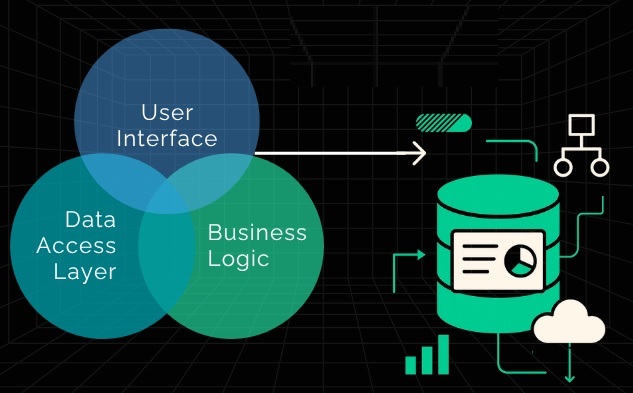
Legacy engineering projects are configured as monoliths that show user interfaces, database access layers, and high-level algorithms are configured into a single, larger program.
If an engineer is needed to run complicated fluid dynamics simulations and complete the requirements of resources for local hardware.
This design highly limits scalability due to the main component of the system facing bugs or not working when a heavy load is applied; as a result, complete applications stop working.
Decoupling Components with Proper Planning
Breaking down larger uniform projects needs a systematic plan when the starting phase of software development occurs.
Engineers should audit existing code for the identification of properly configured dependencies.
main objective is to distinguish main calculations from secondary operations such as user authentication, managing files, or report production.
This process is overwhelming; different companies check expert details at the start of the project. Engaging with professional Microsoft Azure consulting during this assessment step, teams check how a safe approach makes separation from monolithic components possible.
Planning suggestion: Offer that development engineers select accurate cloud services before new code is written.
Cloud-native architecture design
After decoupling monolithic code, after that, rewrite these components into independent microservices.
Such as, single features that manage sensor telemetry details and run automatically without working on the main user interface.
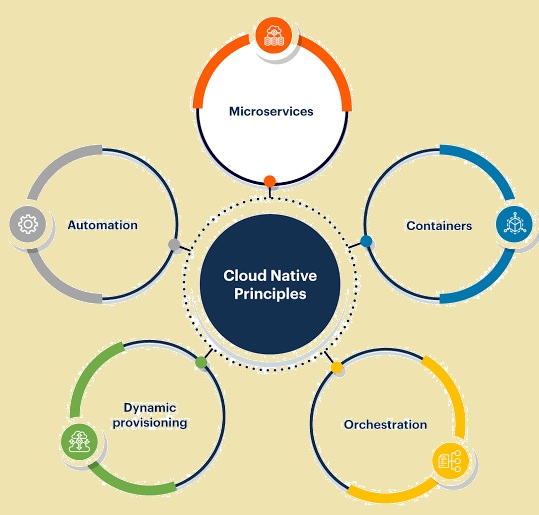
Developers normally package microservices into containers. Different tools such as Docker and Kubernetes help containers operate properly under different computing conditions.
that advanced techniques help developers scale certain components of the system independently.
If engineers needed further computing power to perform structural analysis simulations, they could scale that microservice without affecting the rest of the application.
Database Shifting and Minimizing Downtime
Shifting or migrating the database to the cloud is a difficult challenge component of the transition.
legacy system is normally based on a larger relational database through complex, older systems.
Shifting files does not occur first or normally when ongoing engineering workflows need to continue regularly without interruption.
To prevent high-cost downtime, engineers use hybrid data techniques. Data replication tools maintain an on-premises database and a cloud-synchronized system for real-time
It is helpful for operations to run smoothly until the final switching for cloud occurrence is done.
An experienced team of Microsoft Azure consultants also offers access to tools that automate data validation during these complex shifts that occur.
Validation, Testing, and Continuous Deployment
When rewriting software and data shifting, validations are an important point for development engineers. engineers based on high-precision mathematics, so even a minor problem can result in massive real-world problems.
Developers should test cloud-based microservices in detail for verification of cloud-based results match real on-premise results exactly.
After validation, engineers develop automated continuous configuration and proper application pipelines.
These automated workflows help engineers test and push proper updates to the cloud without affecting engineers who use the platform daily.
Long-Term Operations
Shifting from on-premises monoliths towards cloud-native design provides longer-term advantages. Engineering companies get access to virtually unlimited computing applications, smooth collaboration tools, and lower hardware maintenance charges.
Advancing these legacy system complicated methods, following structured software development planning, ensures a stable and successful transition.
Advantages of Migrating to cloud-native architecture
High Scalability
Legacy applications were made for running on certain servers with limited features for scaling to high workloads. Cloud-native design is helpful for applications to scale dynamically through cloud resources, managing flexible features for different demands properly.
Cost-effective
Cost and resource optimisation occur through cloud-native architecture using cloud services and methods like auto-scaling and serverless computing.
This reduces overall company infrastructure charges and charges for required resources
speedy process
Conventional applications come with lengthy cycles, deployment, and difficulties with fast updates or new features. A cloud-native structure helps to provide continuous collaboration and delivery, offering automated applications with fast times and offering speedy business.
Resilience
Legacy apps do not offer resilience for managing damage and faults. Cloud-native design offers stability through using distributed systems, fault-tolerant configuration, and automated damage recovery mechanisms.
BEST Migration Strategies
migration business case structure
Get real approaches to what we’re getting and make a conservative business design for migration features, relevant errors, and cost.
Confirm security exposure
Shifting applications to the cloud causes high security exposures. Apply security rules and processes before starting migration. Ensure user data and policies for advanced legal compliance design
API-First creation
Properly defining the interfacing application for getting an idea about the input/output design of users upfront, development acceleration with making mockups, and security reviews and quality standards for data
Proper monitoring system
Monitoring solutions come with performance management to monitor CPU applications, traffic, memory usage, and error rates.
Automatic signals
With certain thresholds crossed, automatic signals work
Use existing cloud structure.
Apply existing cloud services provided layout
Services from industrialists
Have discussions for case studies with famous companies like yours that performed migrations to the cloud and learn about challenges
How to Perform Migration
Migration follows these steps:
Containerization:
In this step, perform the conversion of legacy application components into containers for accurate dependency application
Orchestration:
Apply a container orchestration system, such as Kubernetes, to handle the deployment and scaling of containers.
Service decomposition
Confirm and break down individual services of the monolithic legacy application into microservices that can be separately made, applied, and scaled.
Data migration:
Proper planning and performing migration of data from legacy systems to cloud-native data stores, offering data quality with constant features
Incremental application:
Following the incremental method for migration, applications and testing app components of the cloud-native environment are iterative.
Monitoring
Application for proper monitoring and observing methods for identifying and managing performance faults and scalability errors to perform proper resource usage
Conclusion
Legacy application migration towards a cloud-native structure has different advantages, such as optimized cost, scalability, resilience, etc., with the following cloud-native rules, like containerization, microservices, and organization, making a modern structure of IT and offering new chances for new ideas and development.
Shifting to a cloud-native structure needed proper planning, skills, and a detailed idea of a specific layout. With investment in migration techniques, companies make a proper high-level future with the following advanced methods.