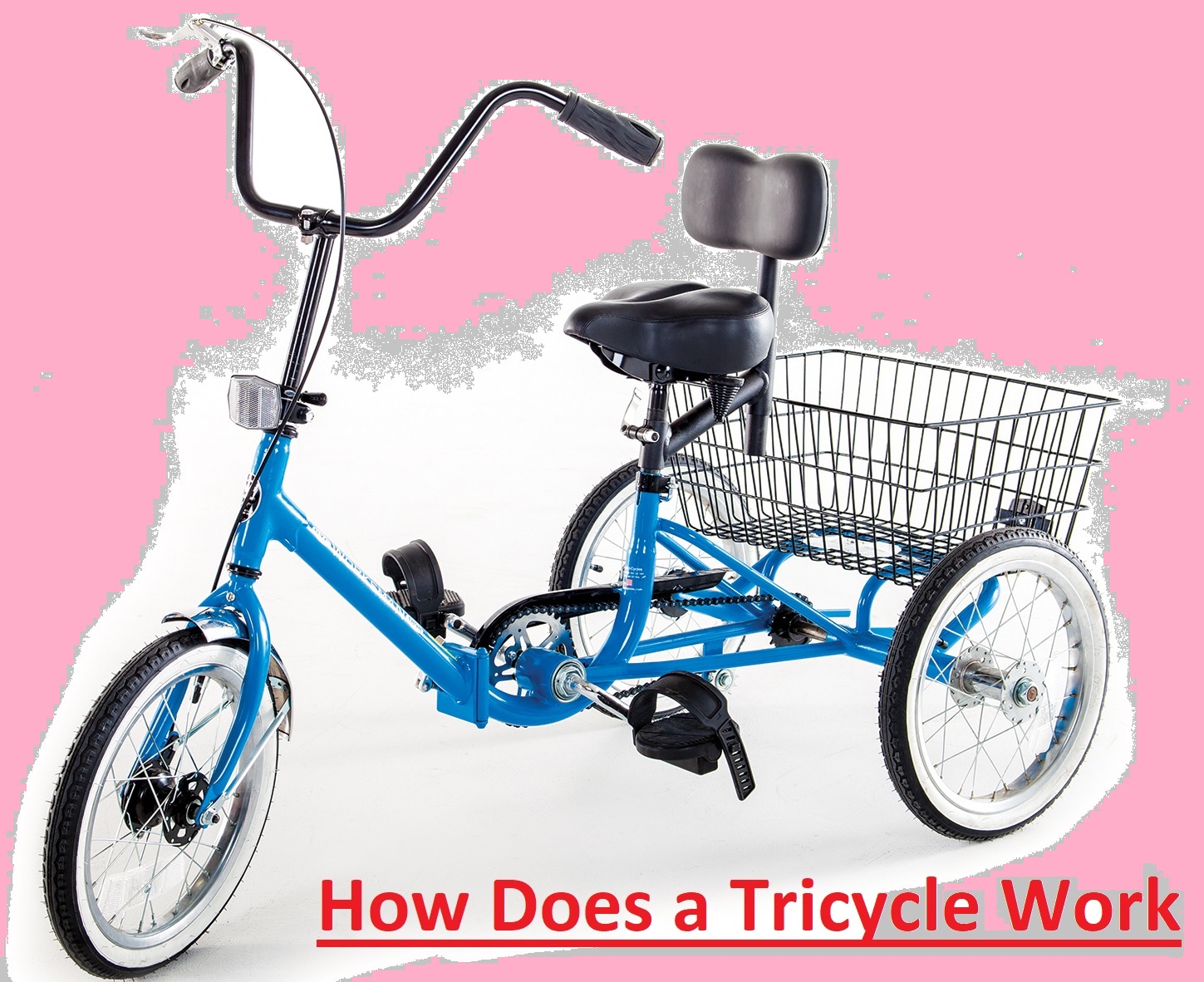
For different users, a tricycle is a high-speed vehicle. A tricycle looks like a source of joy for children through pedalling, steering, and getting an introduction to 3 wheels. A tricycle first looks simple, but it moves and remains upright. This design is based on geometry, physics, and mechanical engineering, which helps to perform safe driving.
In this tutorial, we will cover details for tricycle working features and relevant parameters. So let’s get started.
What Is a Tricycle?
“Tricycle” is a word taken from “trike,” which is a motor-powered vehicle having three wheels. Compared to bicycles that have two wheels, tricycles with 3 wheels offer stability since they come with a triangular wheel design.
So it’s best for riders who face difficulty riding two wheels, like new vehicle learners, adults, and persons facing mobility challenges.
Tricycle History
A tricycle that has a 3-wheel cycle comes with a high historical background that started in the 17th century. The first tricycle operated with the help of human power and came with 2 back wheels and one front wheel.
But with time, some design changes were made in tricycle design, like delta and tadpole layouts.
Delta Design comes with two back wheels and one front wheel. This design makes common use of a tricycle that has different rider options.
The invention of the tricycle helped to make the motorized type, where an electric motor is used, more popular than pedal tricycles. These power-operated tricycles used by adults, called scooter bikes, give an easy ride on rough roads and offer the advantages of cycling without physical stress.
Tricycles’ evolution has continuously increased since now adult tricycles and children’s motor-operating tricycles are used commonly.
Advantages of 3 Wheel Tricycles
There are different features and benefits of tricycles for riders; some common ones are
High Stability
The main feature of tricycles is a stable design compared to 2-wheel bicycles; tricycles have a 3-point connection at the ground that controls tipping risk. That stability helps provide safe and easy access for users like those who face balance problems on 2-wheeled bicycles.
The stability feature also provides easy stop and start features without affecting balance and is the best option for urban traveling.
Comfortable
Design and structure of a tricycle that provides a compatible layout and features. Such a bike comes with manageable handlebars, an easy riding position, and proper cushioned seats that minimize back and shoulder strain.
Some types also have suspension systems for managing shock occurring on rough surfaces for smooth riding. That’s helpful for tricycles to ride longer, helping to make the journey less
Physical movement
Tricycle riding is also a form of physical movement or exercise. that can enhance heart health, high-strength muscles and boosted stamina.
Pedalling movement for the lower body and enhanced stability for major muscles. Basically, cycling is best for joints that solve joint-based faults.
Daily riding makes our bodies fit and healthy and improves our lifestyle.
eco-friendly
Electrical cycling is environmentally friendly since it provides electrical power for cycling and is best for longer rides and riding on hills without facing body fatigue.
Electric tricycles provide clean energy usage for charging and are green, powered through renewable energy sources.
So, using electric tricycles, we minimise the use of fossil fuels and reduce air pollution and greenhouse gas emissions.
How Tricycle Steering Works
Steering a tricycle is an easy and simple process. comes with these steps
Turning the Front Wheel
Handlebars are connected with the front fork that properly holds the front wheel. as a result, when handlebars turn during riding. causes
• The fork rotates.
The front wheel direction varies.
The tricycle follows the new path.
These simple techniques help to provide control.
Why Turning Can Result in Tipping
Either the tricycle is stable, or the techniques are difficult to overturn. When a rider takes a fast corner at high speed, momentum pushes the rider in the original traveling direction.
So the rider’s center of mass shifting outside the wheel triangle enhances tipping chances. That factor is called centrifugal force, which is the result of inertia and momentum.
Wide rear axles provide high stability.
Manufacturers minimize tipping chances with designs for tricycles that have backward wheel spacing. A larger wheelbase makes a larger supported triangle, and is difficult for center of mass stability restrictions during turns.
So children’s tricycles come with larger rear wheels.
Role of Friction in Tricycle Movement
If friction does not exist, the tricycle does not move.
Overcoming Inertia
Based on Newton’s First Law of Motion, objects in rest stay at rest until an external force is applied on them. When a rider applies force on the pedal, the force shifts to the wheel; that force controls the tricycle’s inertia before movement.
Tire Grip Creates Forward Motion
• The tire pushes in the reverse direction of the ground; as a result, the ground moves forward on the tire as a result of friction.
That feature causes a forward force in result of the tricycle’s movement.
Without enough friction existing between tires and the riding surface, the wheel moves without getting traction.
Bearings’ importance
New trickles use bearings in wheel hubs, since bearings reduce friction between moving components and help wheel rotation effectively. Since a rider continues rolling when stopped, that process is called coasting.
Why Tricycles Are Perfect for Beginners
Tricycles manage the difficult feature of cycling: balance.
Building Confidence
A stable 3-wheel design helps young riders to work on
Steering
Pedaling
Braking
Spatial awareness
A Safer Learning Platform
A low center of gravity and larger wheelbase help tricycles be safe to use for young children. Small falls and balance errors have less of a chance of causing accidents than two-wheeled bicycles do.
These safety features and simple help tricks make it the best addition for personal transportation.
Different Types of Tricycle Designs
Though classic, children’s tricycles are the best type and come with different designs.
Conventional Children’s Tricycles
These features:
One front wheel
Two rear wheels
Direct-drive pedals
Simple steering systems
They are designed to provide stability and ease of use.
Adult Tricycles
Adult trikes often comes wuth
Multi-speed gearing
Larger wheels
Rear cargo baskets
Comfortable seating
These parameters help adult tricycles best for daily transportation, recreational rides, fitness, and riders that pay more stability than a conventional bicycle.
For a person finding the best adult tricycle, models from Viribus are often used for their balance of comfort, practicality, and value.
Whether you are running errands around town, getting the benefit of easy riding in the neighborhood, or getting a stable cycling feature, the Viribus adult tricycle can offer a comfortable and confidence-inspiring ride.
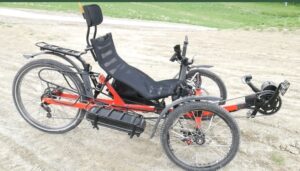
Recumbent Trikes
Recumbent tricycles help riders with a reclined seat close to the ground, with the advantages of
Greater comfort
Improved aerodynamics
Lower center of gravity
Enhanced long-distance riding efficiency
These designs are famous for touring cyclists and riders with maximum comfort.
Manual vs. Motorized Tricycles
Either manual or motorized tricycles are used according to the 3-wheel design, but both have different riding features.
A manual tricycle get power of rider pedaling force that offer exercise techniques and outdoor enjoyment, and is used for recreational fitness and commuting.
Manual tricycles are recumbent, helping calories burn as a result of comfortable riding conditions.
The motorized tricycle’s other name is the electric tricycle, which comes with an electric motor for easy riding. that best for providing cycling advantages without physical strain.
Electric tricycles best option for hill areas and also the best option for old citizens and people facing mobility difficulties
How to select the right tricycle
Tricycle selection is based on demand; different factors such as the rider’s age, uses, and terrain are important. Testing riding different models helps to find the best fit for easy comfort and use.
Tricycles are best for mobility, like nostalgic childhood rides and other adult movement. Either finding a stable riding for a child or eco-friendly commuting options is best to use.
Safety Factor of Tricycles
3-wheel design tricycles are helpful for safety factors. 2 rear wheels offer high support, controlling the chance of the tricycle tipping. That tricycle is the best option for children learning to ride a cycle, seniors, and those needing stable riding.
Tricycles also come with a lower center of gravity compared to bicycles, like tadpole tricycles. That is helpful for stability and less chance of moving with high speed or on uneven terrain.
Tricycles have a comfortable and ergonomic riding position, normally for recumbent tricycles, that minimizes strain over the rider’s body and is a safe option for longer distance cycling or where back or neck problems occur
Conclusion
Tricycle must look simple in design, but its design is the best option for enginering option. With a combination of 3-point stability, direct-drive power transmission, strong steering geometry, and friction principles and momentum, the tricycle helps to provide a safe and easy riding experience.
Whether it is a child’s first ride over the driveway or an adult is enjoying comfortable 3-wheeled cruises, physics rules maintain tricycle movement and keep it upright.