
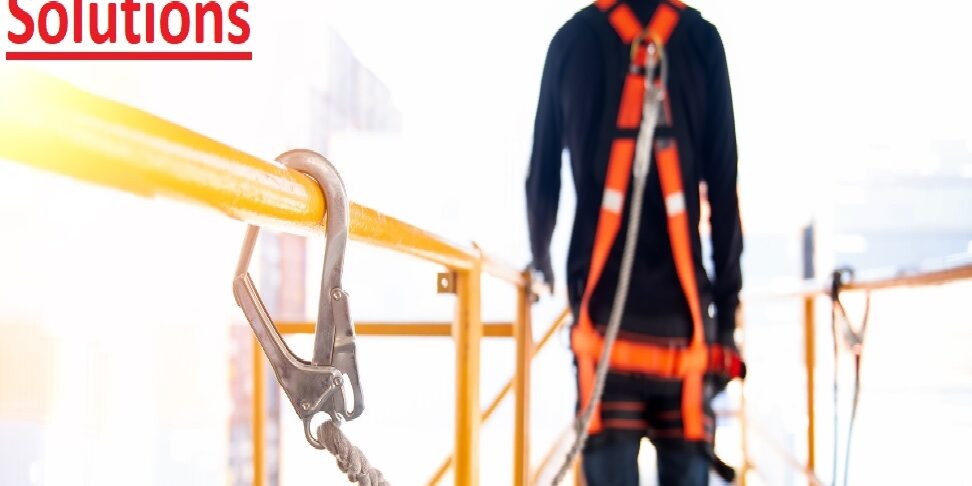
An accurate industrial environment provides high productivity. But for all construction locations and industries, refinery safety is the most important factor. Falls remain the main cause of working environment injuries. It is estimated that falling from a height is the main cause of fatal injuries each year in industrial sectors and construction locations. to reduce such risks, guard every open-sided floor or platform with proper safety systems. Here, we will cover the detailed features of industrial safety and fall protection solutions.
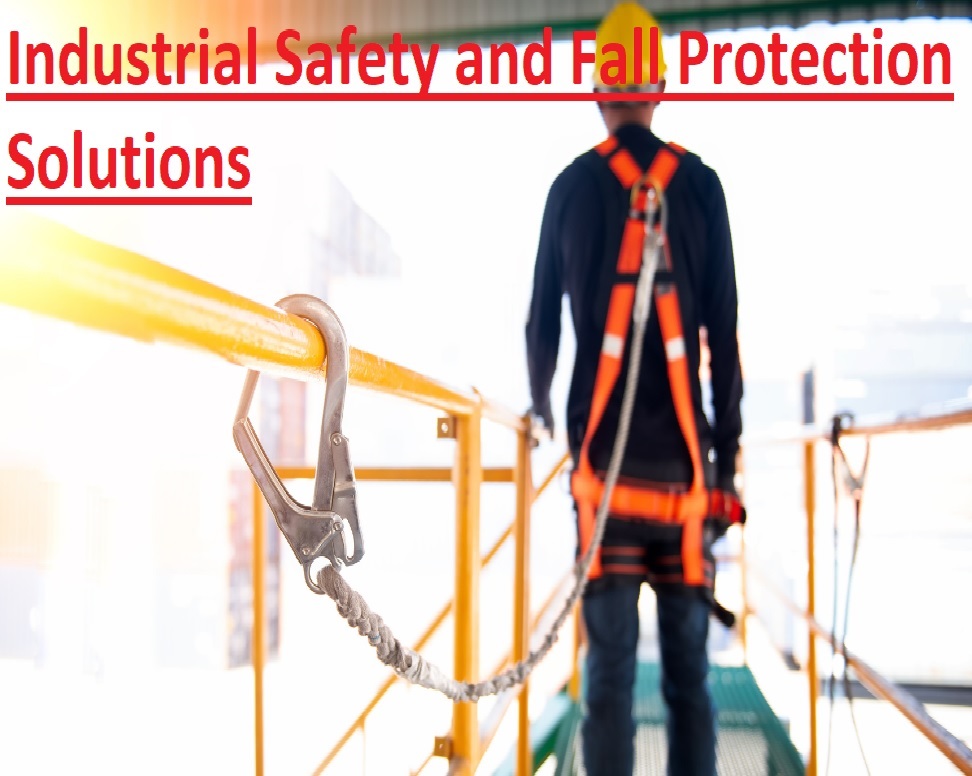
Importance of fall protection in industries
Different industrial working places come with different points, such as
- Elevated points
- roof access location
- loading docks
- maintenance ladders
- Scaffolding systems
If someone falls from 6 feet high, he faces fatal injury. For heavy industrial locations, where machines and sharp materials are commonly used, it can become serious damage.
Industrial Fall Protection Systems Parts
The main fall protection planning is that it applies layered methods that work as
Passive Fall Protection
- Passive system does not use active workers’ involvement. They built different structures such as Guardrails, safety netting, safety gates Handrails, toeboards
- These methods are best to employ since they minimize human error.
- A liketoeboard is connected at the base area of the guardrail system to prevent tools, dust, and materials from falling down on operators. Some advantages of passive systems are
- low cost and longer time features,
- regular protection
- less maintenance maintenance needed
Active Fall Protection technique
- If passive protection is not working, like at the time of maintenance function at height, an active system is used. that come with lanyards and shock absorbers, full body harnesses, self-retracting lifelines (SRLs), anchor points, and horizontal lifeline systems
- As compared to guardrails, these systems are based on operators or workers who apply them accurately. So proper training is needed.
Fall Arrest vs. Fall Restraint: What’s the Difference
This is a common question.
| Feature | Fall Arrest | Fall Restraint |
|---|---|---|
| Purpose | Stops a fall after it happens | Prevents the fall from occurring |
| Worker Movement | Allows access to edge | Restricts access to edge |
| Risk Level | Higher | Lower |
| Best Use | Maintenance, repair | Routine tasks near edges |
How to design a Comprehensive Fall Protection Plan
Follow these steps for designing an accurate fall protection plan.
Detailed Risk Assessment
- check complete facility with detailed inspection techniques, such as
- where there are high height risks for workers
- where unprotection edges exist
- Ladders are correctly used.
- Is the equipment following OSHA or EU standards?
note down everything
Use the Hierarchy of Controls.
Safety professionals use proper techniques involving
- Reducing hazard chances.
- apply safe processes
- engineering controls
- PPE
- Administrative controls
Proper fall protection is minimizing to just perform working at height only.
Why Choose Fall Protection?
Industrial Safety:
There are different methods and programs run by different industries and NGOs for providing awareness on safety methods. Following safety steps helps industries in finding any hazards to prevent accidents. Different things help to enhance working.
- Proper Training
- Maintenance of equipment
- Emergency Response Plans
- Compulsory Sign Boards
It is helpful for industries and working staff to understand certain rules and their reaction during an emergency. Strong safety starting with high priority and parameters for the complete industry. Managing staff should be committed to safety with clear rules and direction.
Through proper review and applying safety methods industries help to get high standards for industrial safety and manage different hazard
safety culture existence
A high safety culture started through accurate awareness that industry-first information helps engineers or staff to be aware of which safety culture is important. The organization provides guidelines, rules, and methods for applying safety culture and helps to get employees’ instructions, feedback, and details for finding current potential hazards.
Training
- Proper training and education for employees help to make accurate decisions when an emergency occurs. Certain training methods for managers and supervisors are required since they lead and help small staff to apply safely and make safer escape plans.
- Through accurate training, employees help to find different damages, note them, and control them at different conditions. Training also comes with wearing PPE suits, devices, and equipment handling.
Special safety training to supervisors and manager
Safety Leadership and Communication
- Training is important for enhancing leadership abilities for safety, like other inspirations and communication. It helps managers and supervisors in making a healthy safety culture for staff.
Hazard Identification and Risk Assessment:
- That training helps managers avoid details about knowing work area hazard processes, find potential hazards, and apply required controls for minimizing risks
Emergency Preparedness
- The objective of training to easily help managers and supervisors handle conditions like disasters, fires, and evacuations. that come with evacuation processes, emergency readiness, and communication protocols.
Unsafe conditions reporting:
- If an employee finds any hazard that has a feature for hurting you or making life dangerous, that employee reports it to supervisors to fix the faults to prevent any hazardous conditions. To enhance this reporting method, managers should promote employees to minimize the chance of accidents.
- It is the supervisor’s duty to solve faults and get fast action, such as informing employees about errors, ensuring safety, and calling the emergency department to avoid injuries.
instrument inspection
- Regular equipment inspection is the best method for making industry safe. High-speed inspection should apply before starting working. Due to devices malfunctioning, different accidents and injuries occur at construction sites.
- Detailed weekly inspections provide balance for work and safety factors. These faults are not ignored since they cause hazards and endanger lives.
Emergency action plan:
- An emergency action plan is important for the following industries for working fast; it comes with a certain plan for different conditions. With accurate training, emergency action plans apply where employees learn to handle conditions like exit gates and evacuate quickly.
Procurement of PPEs from trusted suppliers:
- The industrial working area should regularly apply machines and devices from trusted partners and safe to use. Trusted equipment for employees saves them from accidents.







fff