Oil and gas projects look simple at a distance. But well-drilled pipeline shift plants convert hydrocarbons into usable fuels and feedstocks. up close, that is a strongly configured sequence of technical decisions, regulatory checking, and safety control. Small faults can cause high-cost downtime, damage of devices, environmental effects, or serious damage. So discipleship engineering works importantly for reliable barrel generation and safe delivery made.
In practical terms, oil and gas engineering services cover the planning, design, analysis, and field support that help projects run safely and profitably over their working life.
that helps projects run in a safe way and provides profit over the asset life cycle. These services matter highly since they minimize uncertainty. That turns subsurface data into applicable plans, transforms process ideas into buildable features, and makes aging assets function in a safe way in harsh conditions, also under intense duration and cost pressure.
What Oil and Gas Engineering Services Include
- Engineering in industry spans more than making drawings or choosing devices. It started by converting business objectives into technical features.
- so defining manufacturing goals, product features, operating envelopes, and safety features.
- engineer a design system that fulfills these demands constantly, also when conditions are shifting, like reservoir decline, high water cut, or changes in temperature
- proper scope blends different disciplines. Petroleum and reservoir engineers work on proper performance and recovery plans.
- Drilling engineers design casing, mud programs, cementing, and proper control barriers. Facilities and mechanical engineers define pressure vessels, rotating and piping packaging, and rotating devices.
- electrical instrumentation, control engineers make power distribution, automation logic and alarms.
- Civil and structural engineers manage foundations, pipe rack site development, and blast resistance needs.
- Work continuously longer after starting different teams, offering operational engineering support, debottlenecking, troubleshooting, inspection planning, maintenance features, and small capital projects.
- The main objective is the same: make a safe operation site, fulfill environmental features, protect devices, and offer dependable output.
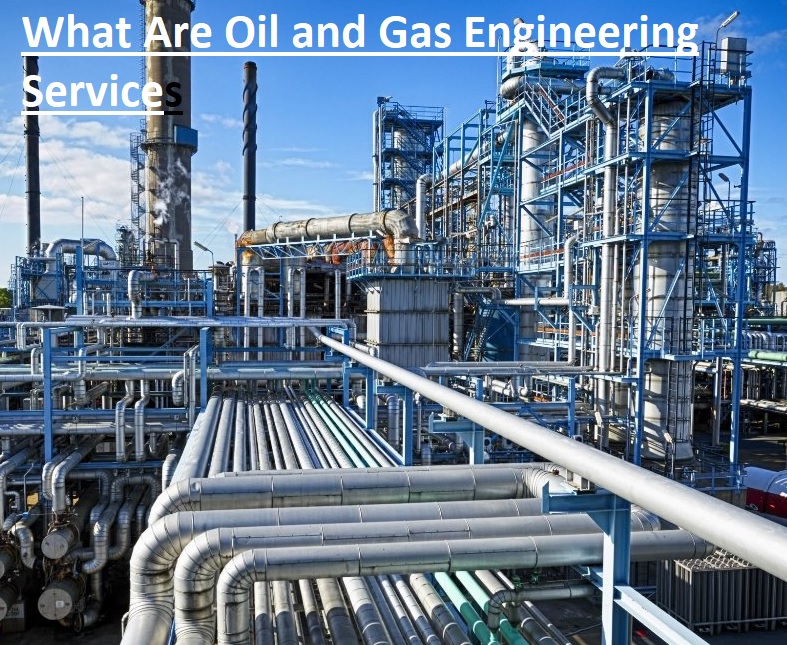
Where These Services Show Up Across the Asset Life Cycle
- During the starting phases of projects, engineering defines what is feasible and what is not. That comes with selection, layout process simulation, and cost and schedule estimation.
- Best early work minimizes last-phase faults like equipment oversizing,, missing utilities, unworkable plot plans, or allowing obstacles that affect construction. Deliverables expand into drawings,, features, measurements,, and vendor document reviews.
- Engineers also supported construction planning, answered field questions, and managed variations if the site reality matched the real plan.
- for operations engineering work on reliability and risk control. that shows finding recurring compressor trips, fixing corrosion hotspots, optimizing chemical injection, and managing equipment obsolescence.
- In case mature asset services lie on life extension, inspection programs, and upgrades that fulfill safety and emissions expectations.
The Disciplines That follows Projects From Idea to Operation
- Petroleum drilling and manufacturing engineering drive the front end of upstream work. They find reservoir behavior, define well targets, get artificial lift techniques, and plan the completion process.
- It also decides on sand management, scaling, sour fluids, and water handling since these options affect safety and longer-term cost options.
- Process engineering is the building block of facilities. That sets process flow diagrams and piping instrumentation diagrams; choosing separation and treating processes becomes the relief devices and makes the operational philosophy.
- Mechanical and piping engineers convert process intent into devices and pipe systems that manage pressure, vibrations, temperature, and fatigue.
- materials and corrosion specialists, and other layer selection alloys, coatings, and cathodic protection processes that exist in fluid chemistry
- Controls, electrical, and safety systems are equally important. Instrumentation engineers design measurement and control points that are helpful for stable operation.
- Electrical engineers make safe power systems that come with remote or hazardous points. Safety engineers define protection layers, alarm rationalization, and shutdown logic that prevent escalation in case anything goes wrong.
- If these disciples coordinate accurately, facilities start fine and become stable in real operating conditions.
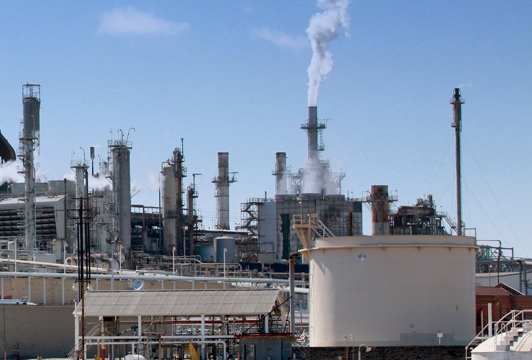
Safety, Reliability, and Environmental Performance Are the Main Value
- Strong engineering methods minimize high risk. That comes with stopping losses for proper control, limiting high-pressure occurrences, and controlling the ignition process.
- Practical tools such as hazard studies, safety quality level checks, and managing change processes help to find weaknesses before any exposure.
- Proper engineering also helps to find emergency response designs like safe egress, firefighting systems, and isolation factors.
- reliability generated from disciplined design options and real operating conditions. Engineers check failure modes, spare philosophies, maintenance, and access for repairing and inspection.
- It plans for start-stop cycles, hydrate risk, and extreme conditions.
- It also helps to set conditions monitoring and predictive maintenance planning that minimizes sudden outages.
- Environmental performance highly defines engineering decisions. Emission restrictions and flare minimization produced water management and methane detection, needing new affecting devices, selection, and process design.
- Engineers help operators fulfill permit conditions and prevent enforcement processes by making systems that are monitored, maintained, and audited.
Project Economics Improve When Engineering Reduces Rework and Downtime
- For oil and gas, costly means late. Reworking at the time of construction causes burning weeks and triggers change orders that dwarf the cost of early engineering.
- Solid front-end work helps lock scope, minimizes clashes, and chooses devices that are procured with time.
- It’s also compatible with clear contractions and good construction sequences that make crews productive
- Engineering also defines operating cost. Effective compression schemes, accurately sized pumps, proper control planning, and optimized heat configuration cut fuel consumption and maintenance requirements.
- corrosion control and materials selection avoid leaks, repairing, and replacement cycles.
- Simple improvements for uptime can convert into important revenue protection for high-throughput assets.
- Another important factor is flexibility. Assets rarely work according to requirements. Engineering that plans for turning down, debottlenecking options, and future tie-ins enhances the working life of the facility and minimizes capital spending.
- that flexibility difference between assets that are standard and are competitive.
How to Evaluate an Engineering Provider for Real-World Results
Strong provider effects evidence for field literacy, not just design features. Check teams that define design as connected, commissioned, and maintained.
practical question affects. Can the valve reach safely is an important instrument calibrated without shutting down the unit. An air drain and vent system used for safe working, not only code compliance?
Technical rigor must be shown in the working process. that comes with clear design basis documents, traceable measurements, constant document control, and disciplined change management.
It also comes with proper reviews like model validation for process simulations, pressure relief verification, and constructability checking.
Strong teams document assumptions, flag uncertainty early, and avoid hidden errors from difficult last phases.
In the last check, communications strength, oil, and gas projects operate on handoffs. Reservoir data provide facility design. Vendor details affect piping layouts. Construction feedback applies design revision. Best engineering groups coordinate over disciplines, keep decisions clear, and solve conflicts fast without any confusion in the field. That is engineering support that helps people, assets, and schedules all at once.