A battery is the main component for providing power to electronic devices that are employed in different projects. Commonly used batteries are alkaline and carbon-zinc batteries. Each battery has its own features and related factors that are employed in different projects. In this post, we will cover detailed features of both batteries and find their differences. So let’s get started.
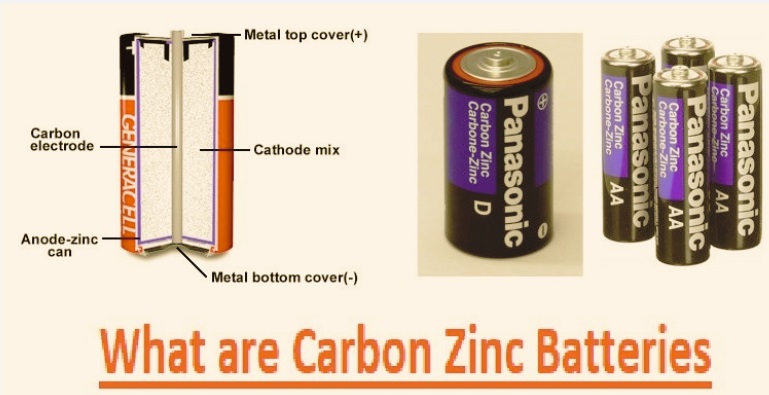
What are carbon zinc batteries?
- Carbon-zinc batteries are dry cells that provide DC power for device operation. Some carbon-zinc batteries are used to power small devices for longer periods.
- It used to deliver power for clocks, remote controls, torches, etc. It is preferred to check batteries to avoid leaking over time since charges get depleted.
- Carbon-zinc batteries face leaking due to zinc degradation. Carbon-zinc batteries result in low energy density compared to alkaline batteries, as well as a short operating life.
- It faces leakage at the zinc stem, which is employed for the electrolyte container and battery negative electrode.
- As the battery discharges, zinc is used up and removed, so the anode becomes thin and causes electrolyte leakage.
- With the passage of time and high temperatures, these faults are high. Carbon zinc batteries also have less efficiency for extreme conditions than alkaline and lithium batteries.
What Is an Alkaline Battery?
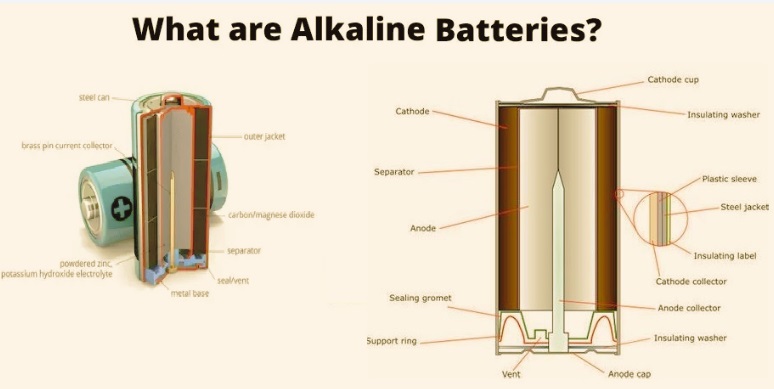
- Alkaline battery technology was first used in the 1960s, and this battery employs potassium hydroxide electrolyte in place of a carbon-zinc battery.
- Its internal design comes with a zinc powder anode and cathode of manganese dioxide, like carbon zinc, with effective chemistry.
- An alkaline battery offers high energy density, so it comes with high power in similar dimensions.
- An alkaline battery comes with a higher capacity than a carbon-zinc battery.
- These batteries have features to use for low-drain and high-drain applications, so they are best in remote controls, digital cameras, and battery-operated toys.
- Their working life is about three years or longer if stored accurately and loses two to three percent charge in a single year.
Carbon Zinc vs Alkaline Batteries
Electrolyte
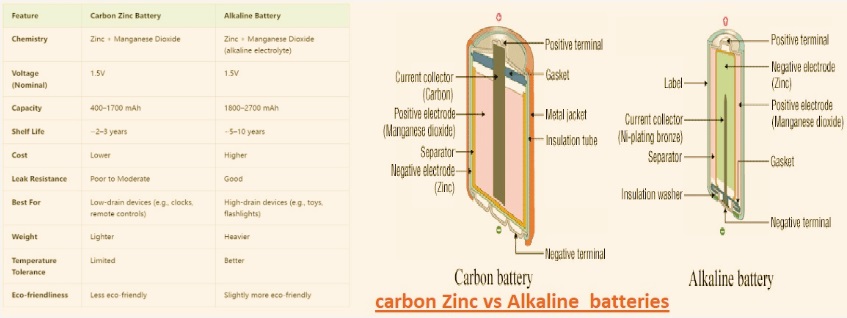
- Electrolyte compositions are an important factor for operating battery features. The carbon zinc battery comes with an ammonium chloride electrolyte that has an acidic nature. alkaline battery based on potassium hydroxide that alkaline materials.
- These basic differences of composition come with changes in discharge rate, density, and working life.
- Electrolytes are important for finding ionic movement and charge carrier structure. Potassium hydroxide in alkaline batteries helps to increase conductivity, so it is effective for high-drain applications.
- Ammonium chloride in carbon-zinc batteries restricts operation for low-drain devices.
Energy Density
- Energy density has an effect on the battery’s ability to give power to devices. An alkaline battery comes with a higher energy density than a carbon-zinc battery.
- So best for high-drain projects such as digital cameras. High energy density also has a lightweight and compact design that helps to use in portable devices.
- Carbon-zinc batteries are preferred for low-drain devices since they have low energy density. It operated mostly by remote control, where energy is less.
Discharge Features
- Discharge features show battery functions in continuous applications. A carbon-zinc battery offers a voltage range of 1.4 to 1.7 volts when it normally functions. Due to discharge, voltage losses of about 0.9 volts affect high-drain device operations.
- This battery is best for low-drain devices that do not use frequent energy.
- Alkaline batteries are employed for high-drain projects; they provide constant power over time and are the most reliable option for controllers and medical devices.
- They have high energy density and stable discharge rates for longer operations than carbon-zinc batteries.
Shelf Life
- Shelf life is the main factor for determining the accurate working of a battery in longer storage. An alkaline battery has a good working life compared to a carbon-zinc battery. They come with a good chemical composition for getting power for about 8 years under accurate storage conditions.
- While carbon zinc batteries work for one to two years
- Alkaline batteries accurately maintain charge in different temperature conditions. So store at cool, dry locations for increasing working life.
- A carbon-zinc battery is highly sensitive to different environmental factors. Its degradation occurs fast during heating and humidity, and is best for longer storage.
- Idle devices like smoke detectors with alkaline batteries are best to use. They work longer for a steady operation. The carbon-zinc battery is low-cost and best for short-term applications.
Environmental factor
- environmental factors on battery based on composition and disposal features. Carbon zinc batteries are eco-friendly when disposed of.
- comes with fewer toxic metals than other batteries, which makes for easy recycling and fewer environmental factors.
- Alkaline batteries are highly sustainable since they do not have hazardous heavy metals such as mercury or cadmium that exist in carbon-zinc batteries.
- So alkaline batteries are best for environmentally based applications.
Applications
Carbon Zinc Batteries
- Carbon zinc batteries are preferred for low-drain devices where high energy needed is less. It is affordable and has a simple design used for different applications in dialysis-based projects. It is referred to as using these batteries in devices where high power is not needed. Some common uses are
- for remote control in TVs and AC conditioners. Battery-operated toys, such as cars and dolls, have sound effects.
- small flashlights like pocket-sized LED lights, smoke detectors, and carbon monoxide alarms
- This battery has low-cost options in power devices employed in short-term applications. Its high voltage value is 1.5 volts for high-performance projects.
Alkaline Batteries
- An alkaline battery is employed for low-drain and high-drain devices since it has high energy density with stable voltage. These are used for applications needing constant power over time.
- Some uses are remote control and clocks that benefit from high discharge capacity. Backup batteries are used in emergency devices for longer life.
- high-current devices such as cameras and electronic toys based on energy density
- Different applications like outdoor devices, resulting in good operation of alkaline batteries since they have features for operating well in low-temperature conditions
Structure of Carbon Zinc Batteries
- A carbon-zinc battery comes with a negative zinc electrode and a positive carbon electrode made with ammonium chloride. That design is simple and helps to provide effective transformation of chemical energy into electrical energy.
- As compared to an alkaline battery, the working of a zinc-carbon battery is best for low-discharge devices, so it is best used for clocks and LED lights.
- Either it is low cost, or its energy output reduces with high loads.
Structure of Alkaline Batteries
- An alkaline battery employs potassium hydroxide as an electrolyte and comes with a strong design, with a manganese dioxide positive electrode and a zinc negative electrode. This design helps to provide high and stable power and is best for high-discharge devices like camera toys.
- alkaline battery for maintaining a constant voltage for a longer time. It is a main feature compared to zinc batteries.
FAQs
Are carbon-zinc batteries preferred to alkaline batteries for any devices?
- Carbon-zinc batteries are operated for low-drain projects; these are part of devices where frequent replacement is needed since they have low cost, but alkaline batteries are used where high performance is needed.
Can carbon-zinc batteries be rechargeable?
- No carbon zinc batteries, which are not rechargeable, and if we try to recharge them, it can become difficult and cause leakage. They used it for a single purpose only.
Why do carbon-zinc batteries cause more leaking compared to alkaline batteries?
- A carbon-zinc battery causes leaking since zinc works as an anode and is highly consumed, so its design was converted to a thin design. An alkaline battery comes with a good internal design, having a sealed and stable design.
How much longer do alkaline batteries work than carbon zinc in a remote control?
- In remote control alkaline batteries work about 4 to 8 times longer compared to carbon zinc batteries that work for one to two years or some months as carbon zinc.
Do alkaline batteries cost less than carbon zinc in the long run?
- Alkaline batteries cost a low single hour, irrespective of the high cost, since they work longer and come with less damaging features from leakage that affect devices.