Proper engine oil level is an important factor for car maintenance. Whether your car is parked or driven daily, oil level checking is important for smooth operation, which helps to avoid high repair costs. In this post, we will cover details for monitoring engine oil and its related factors.
Importance of Checking Engine Oil
- Oil is the main part of the engine that causes the engine and vehicle to function. such as if the oil level reduces, the engine gets overheated, stops working, or completely fails. If proper inspection of oil is not performed, it can cause different faults.
- If the engine oil level is low or not proper, the oil used causes moving components to rub, creating high friction and damage.
- Oil provides heat dissipation, so if the proper engine level is not maintained, it causes overheating and failure of the engine.
- Faulty engine repair is a costly process, so regular engine inspection avoids serious faults.
- Fuel efficiency reduces due to a low level of oil, and the engine does not work well.
Main Steps to Check engine Oil
Arrange Tools
- For performing engine oil inspection, arrange required tools and materials, such as a clean rag or paper towel. Park the car on a flat surface. Some vehicles come with digital oil sensors that give details about the oil level on the dashboard.
Ensure the car is at a low temperature.
- Park the car on ground level to get proper results. First of all, turn off the engine and take time for it to cool. It is recommended to check engine oil when the engine temperature is islow that the oil settles.
Find the dipstick location.
- • The dipstick gave the oil level at the required range, or we needed to add more oil. A dipstick is a metallic rod with a handle so it can be easily located. The dipstick was covered in a small tube that directed downward and connected to the crankcase.
Disconnect Dipstick
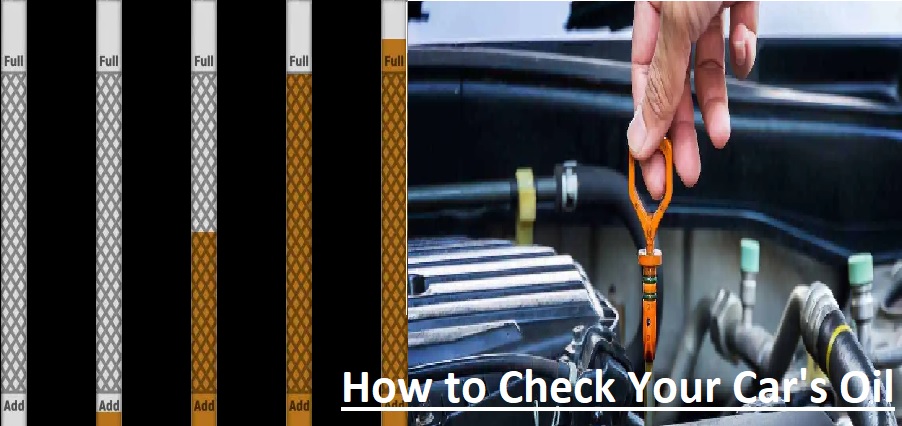
- Disconnect the dipstick from the connection point. Then clean it with a paper towel for cleaning it. After cleaning, inspect the dipstick; there are two lines on its surface.
- The lower line shows the oil level is low, and the top line means full. Some dispticks designs upper markmeans safe, and lower needed more oiladd
Measure value
- Connect the dipstick to the tube after cleaning. Check that it is connected accurately. Again, remove it and check its tip for oil checking.
- If the oil is at a low level, add more oil, and if the tip does not have oil, that means the oil level is low, so add more oil and then check the oil level.
Rechecking
- After refilling oil, wait some time and check the oil level again. Ensure the oil settles down to the crankcase and check the level that is needed between the low and high marks. It should be noted that the oil level should not be at the top mark of the engine for safe operations, but it needs to be between the lower and upper marks. If the oil level is at the required level, you can drive the vehicle.
How to Add Engine Oil
Read also Why is Take 5 Oil Change So Expensive
- The coil cap exists at the upper part of the engine and will show oil signs. We needed to disconnect the cap for the oil filler to add engine oil.
- Put in about half a quart and use a funnel to avoid spilling. During oil filling, setting a low quantity is safe.
- When some amount of oil is added, take some time to let it settle and check the dipstick.
- If the level is low, add the remaining quart. In some conditions, no more is needed; if adding, add slowly to avoid high quantities.
- When oil has an accurate level, connect the oil cap. Check that any spills exist, and clean if needed. Close the hood and use the vehicle.
- You can use any engine-grade oil according to the user manual. In some conditions, 5W to 30 or 10W to 40 are used. Some cars use special synthetic oils, and others work with accurate oil grades.
- For accurate oil level and smooth vehicle operations, check oil after a month. Make sure to follow the manufacturer’s guidelines for oil filter changes.
How to change engine oil
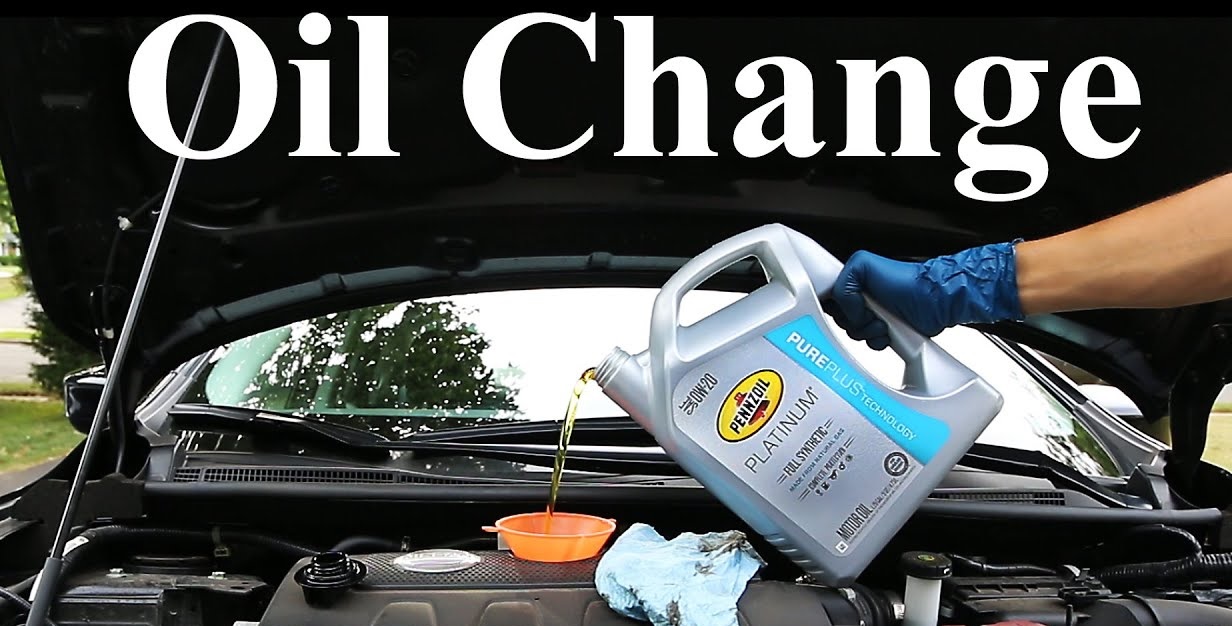
- Changing engine oil based on manufacturing year, model, mileage, and engine type. Read the vehicle owner’s manual for getting details about oil changing.
- It is best to change the oil according to the mileage of the vehicle manufacturer. If not, the engine can clog, its performance will be affected, and the vehicle will use more oil.
Follow the steps for engine replacement.
- During oil level checking, ensure that the vehicle is in cold conditions and parked in a level area.
- Open the bonnet and disconnect the dipstick and filler cap. Set the drain pan below the oil drain connected to the engine block.
- Disconnect the oil drain plug and allow oil to drain. If all oil is drained, clean the drain plug. Wrench Sizes Chart in Order from Smallest to Largest
Before refilling oil, replace the oil filter.
- Disconnect the old filter with a wrench and put in the new module.
- Disconnect the pan below the vehicle and add used oil in the container for putting it in the oil container for recycling features. avid to put used engine oil into drains
- Check that the oil drain plug is accurately connected, and put new oil into the oil tank through a funnel for spill avoidance.
- Take some time for oil to circulate properly in the engine. Check the oil level, connect the oil filler cap, run the engine, and take some time for proper oil movement in the engine.
- Allow the engine to cool; ensure the oil level is proper.
Read also 8 Best Oil-Filled Radiator Heaters In 2025 Buying Guide